
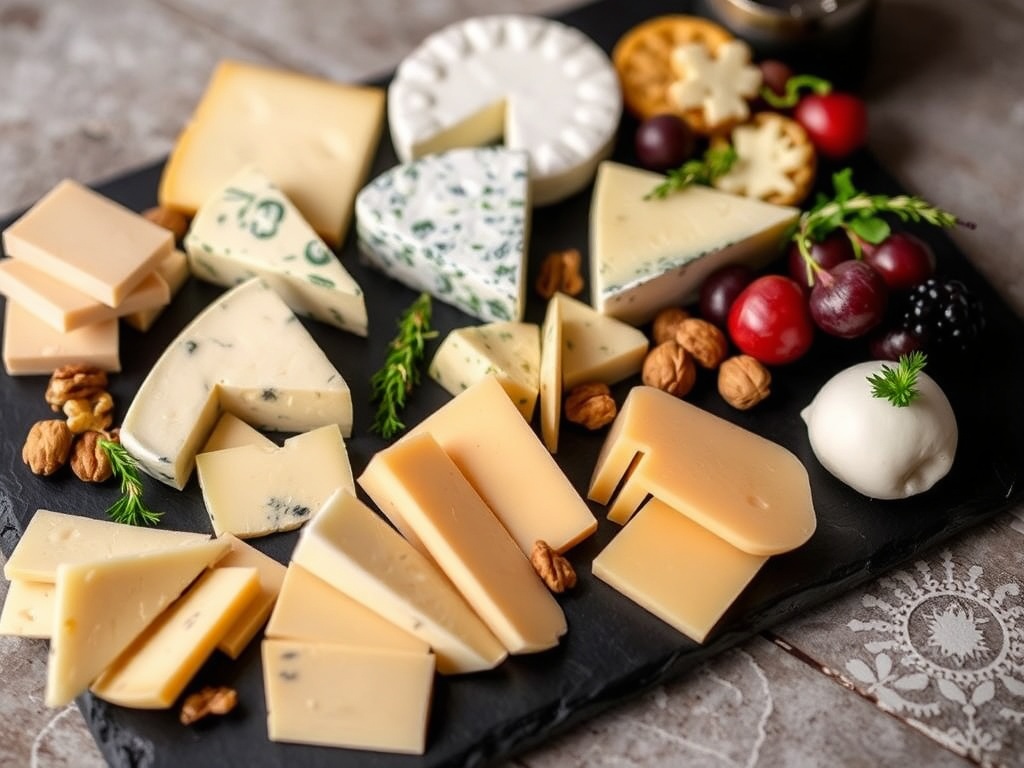
Masgonzola is a premium artisan cheese that redefines traditional cheese-making with bold flavors and creamy textures. Crafted with precise aging techniques and high-quality milk, it offers a unique taste experience unlike any other blue cheese. Perfect for cheese boards, gourmet recipes, or pairing with wines, Masgonzola stands out as a modern favorite among cheese connoisseurs and culinary enthusiasts alike.
Masgonzola is transforming the artisan cheese landscape with its innovative approach and unmatched flavor profile. Rooted in traditional methods but elevated through careful aging and expert craftsmanship, this cheese blends creamy textures with bold, nuanced tastes that appeal to both casual cheese lovers and gourmet chefs. Masgonzola’s rising popularity reflects a growing global appreciation for high-quality, ethically produced cheeses. Beyond flavor, it offers versatility in cooking, wine pairing, and culinary presentations. This article explores its origins, production process, health benefits, pairing ideas, and storage tips, providing a comprehensive guide for anyone wanting to experience the full potential of this exceptional artisan cheese.
What is Masgonzola? Exploring the Artisan Cheese Phenomenon
Masgonzola is an artisan blue cheese that combines centuries-old techniques with modern craftsmanship. Unlike ordinary cheeses, it features a distinct creamy texture and complex, piquant flavor that appeals to cheese enthusiasts globally. Made from high-quality cow’s milk and aged under precise conditions, Masgonzola offers a consistent taste profile. Its uniqueness lies in balancing traditional methods with innovation, resulting in a cheese that is both bold and approachable. Whether served on a charcuterie board or in gourmet recipes, Masgonzola is a standout option for those seeking refined taste experiences.
History of Masgonzola: From Tradition to Modern Innovation
The origins of Masgonzola trace back to traditional European cheese-making techniques, adapted over time for contemporary tastes. Originally influenced by classic blue cheeses, artisans refined the process to enhance flavor and texture. The modern version incorporates precise fermentation, careful aging, and ethically sourced milk. This evolution has allowed Masgonzola to maintain heritage while appealing to global gourmet markets. Today, its combination of creamy consistency and bold taste makes it a popular choice for restaurants, cheese shops, and home chefs seeking quality artisan cheeses.
Why Masgonzola Stands Out Among Artisan Cheeses
Masgonzola is more than just a blue cheese; it is a craft statement. Its flavor profile balances sharpness, earthiness, and subtle sweetness, creating a memorable tasting experience. Unlike mass-produced cheeses, each wheel is carefully monitored during aging, ensuring uniformity and quality. The artisanal approach preserves natural textures and aromas, providing a cheese that is rich, creamy, and complex. Masgonzola’s distinctive characteristics make it ideal for pairing with wines, fruits, and gourmet dishes, setting it apart in both taste and culinary versatility.
The Unique Flavor Profile of Masgonzola Explained
Masgonzola features a layered flavor profile combining creaminess, tang, and a hint of nuttiness. Its blue veins contribute mild pungency, balanced by buttery smoothness. Each bite reveals complexity without overpowering the palate, making it accessible to both casual eaters and cheese connoisseurs. Flavor evolves with age, offering more intensity in mature wheels. Chefs value this balance for creating sophisticated dishes, from salads to sauces. The combination of taste and texture ensures Masgonzola is recognized as a premium artisan cheese that elevates culinary experiences.
How Masgonzola is Crafted: Step-by-Step Cheese Making
Masgonzola production begins with fresh, high-quality cow’s milk, gently pasteurized to preserve natural flavors. The milk is inoculated with select cultures and rennet to form curds. After cutting and draining, curds are carefully molded and salted. Blue mold spores are introduced to develop its signature veins. The cheese is aged under controlled temperature and humidity, allowing flavors to mature gradually. This meticulous process ensures consistent texture, taste, and aroma. Each wheel reflects a blend of science, tradition, and artisan skill, resulting in a cheese of exceptional quality.
Top Regions Where Masgonzola Cheese is Produced
Masgonzola is primarily produced in select regions known for dairy excellence, particularly areas with rich pastures and sustainable farming practices. The combination of high-quality milk, artisanal techniques, and controlled aging environments contributes to its premium quality. Local climate and terroir influence flavor nuances, giving each region’s production subtle differences. Though inspired by European blue cheeses, modern production has expanded globally, with artisanal dairies adopting traditional methods. These regions emphasize ethical practices, ensuring both environmental sustainability and superior taste in every wheel of Masgonzola.
Health Benefits of Masgonzola: Nutritional Insights
Masgonzola is a nutrient-rich cheese, offering protein, calcium, and essential vitamins. Its probiotics contribute to digestive health, while healthy fats support energy and satiety. Moderate consumption can enhance a balanced diet without excessive calories. Compared to processed cheeses, Masgonzola’s artisanal production ensures minimal additives, preserving natural nutrients. The presence of vitamin B12 supports brain function and red blood cell production. Its unique combination of taste and nutrition makes Masgonzola a smart choice for those seeking both flavor and wellness benefits from gourmet cheeses.
Pairing Masgonzola: Wines, Fruits, and Gourmet Combinations
Masgonzola pairs exceptionally well with bold wines like Cabernet Sauvignon, Port, or Chardonnay, which balance its strong flavor. Fresh fruits, such as pears and figs, provide a sweet counterpoint, enhancing taste complexity. Nuts, honey, and artisan bread complement its creamy texture. In culinary applications, Masgonzola enriches sauces, pastas, and salads, elevating dishes with depth and sophistication. Pairing emphasizes contrast and harmony, making it a favorite in gourmet dining. Understanding these combinations allows enthusiasts to enjoy Masgonzola in both casual snacking and refined culinary settings.
Also read this: FUPA Explained: Proven Secrets to Burn Lower Belly Fat Fast
Masgonzola vs Other Blue Cheeses: Key Differences
Unlike other blue cheeses, Masgonzola achieves a unique balance of sharpness and creaminess. It is less pungent than traditional Gorgonzola but richer than Roquefort, offering versatility in taste and use. The texture is smooth and spreadable, while blue veins remain delicate rather than overwhelming. Its production emphasizes artisanal techniques, ethical sourcing, and controlled aging, creating consistency in flavor. Masgonzola’s milder tang appeals to a broader audience while maintaining complexity, making it ideal for cooking, pairing, and direct consumption without compromising the experience of authentic blue cheese.
Cheese Connoisseurs’ Guide: How to Taste Masgonzola Like a Pro
To fully appreciate Masgonzola, observe its color, aroma, and texture before tasting. Notice the creamy body and subtle blue veining. Break off a small piece and let it melt slightly on the tongue, identifying layers of tang, sweetness, and nuttiness. Pair with complementary wines or fruits to enhance flavors. Take note of aroma evolution and lingering aftertaste, which indicates proper aging and quality. Understanding these sensory cues allows connoisseurs to discern Masgonzola’s craftsmanship and makes tasting a deliberate, enjoyable experience rather than casual consumption.
Cooking with Masgonzola: Recipes That Elevate Every Dish
Masgonzola enhances a variety of dishes, from creamy pasta sauces to baked casseroles and gourmet pizzas. Its melting quality allows for smooth integration into recipes without overpowering other ingredients. Salads, risottos, and stuffed chicken breasts benefit from its tangy, savory notes. Even desserts, like cheese tarts, gain complexity with small amounts of Masgonzola. By understanding its flavor balance, chefs and home cooks can transform ordinary meals into culinary masterpieces. Its versatility ensures that Masgonzola is not just a cheese but an ingredient that elevates overall dining experiences.
Storing and Aging Masgonzola: Expert Tips for Maximum Flavor
Proper storage preserves Masgonzola’s flavor, texture, and aroma. Keep it in cool, consistent temperatures, ideally in cheese paper or airtight containers. Avoid plastic wrap, which can trap moisture and affect taste. Aging further enhances flavor complexity, but careful monitoring is crucial. Observe changes in texture, color, and aroma to determine optimal consumption time. Proper handling ensures that Masgonzola remains creamy, flavorful, and safe to eat. Following these expert tips guarantees the best taste experience and prolongs shelf life, maintaining its status as a premium artisan cheese.
Why Masgonzola is Becoming a Global Gourmet Trend
Masgonzola’s combination of bold flavor, creamy texture, and artisanal craftsmanship has captured international attention. Gourmet chefs and food enthusiasts appreciate its versatility, ethical production, and consistent quality. Social media and culinary blogs have amplified awareness, turning Masgonzola into a trending choice for cheese boards and sophisticated dishes. Its ability to blend tradition with modern taste preferences positions it as a must-have in fine dining. Global demand continues to rise as more consumers seek authentic, high-quality artisan cheeses that deliver both taste and cultural value.
Sustainable and Ethical Production Practices Behind Masgonzola
Artisans producing Masgonzola prioritize sustainable farming, ethical animal treatment, and minimal environmental impact. Milk is sourced from pasture-raised cows, and production avoids unnecessary additives. Waste is minimized, and aging rooms are optimized for energy efficiency. These practices not only ensure superior taste and quality but also appeal to conscious consumers. Sustainability strengthens brand trust, positioning Masgonzola as a cheese that values both culinary excellence and responsible production. Ethical practices elevate its status, aligning flavor excellence with environmental and social responsibility, which modern consumers increasingly demand.
Also read this: Skinpres T: Revolutionize Your Skincare Routine Today Naturally
Where to Buy Authentic Masgonzola: Insider Tips and Sources
Authentic Masgonzola is available at specialty cheese shops, high-end grocery stores, and select online retailers. Look for certifications or producer details to ensure authenticity. Avoid mass-market imitations, which may compromise flavor and texture. Sampling in-store or from trusted distributors guarantees quality and freshness. Some artisanal dairies offer direct shipping for maximum freshness. Knowing the right sources ensures a genuine Masgonzola experience, whether for home consumption, gifting, or gourmet cooking. Selecting reliable vendors is key to enjoying the full premium experience of this artisan cheese.
Conclusion
Masgonzola is redefining artisan cheese culture by combining traditional techniques, bold flavors, and modern innovation. Its creamy texture, complex taste, and versatile use make it a standout choice for cheese enthusiasts and gourmet chefs alike. From tasting to cooking and pairing, Masgonzola offers a premium experience that elevates meals and cheese boards. Ethical production and sustainable practices further enhance its appeal. Embracing Masgonzola is not just enjoying a cheese; it’s indulging in a culinary journey of craftsmanship, quality, and flavor excellence.
FAQs
- What makes Masgonzola different from regular blue cheese?
Masgonzola combines creamy texture with bold, yet balanced flavor, unlike more pungent traditional blue cheeses. - How should I store Masgonzola?
Keep it in a cool place, wrapped in cheese paper or an airtight container, avoiding plastic. - Can Masgonzola be used in cooking?
Yes, it melts well into sauces, pastas, salads, and even baked dishes. - Is Masgonzola healthy to eat?
Moderate consumption offers protein, calcium, and probiotics while being free from artificial additives. - What wines pair best with Masgonzola?
Bold wines like Port, Cabernet Sauvignon, or Chardonnay complement its creamy, tangy taste. - Where can I buy authentic Masgonzola?
Specialty cheese shops, high-end grocery stores, or trusted online artisanal retailers. - How long should Masgonzola be aged?
Aging varies, but optimal flavor develops in a controlled environment over several weeks to months.
For more info: voxvison.com
