
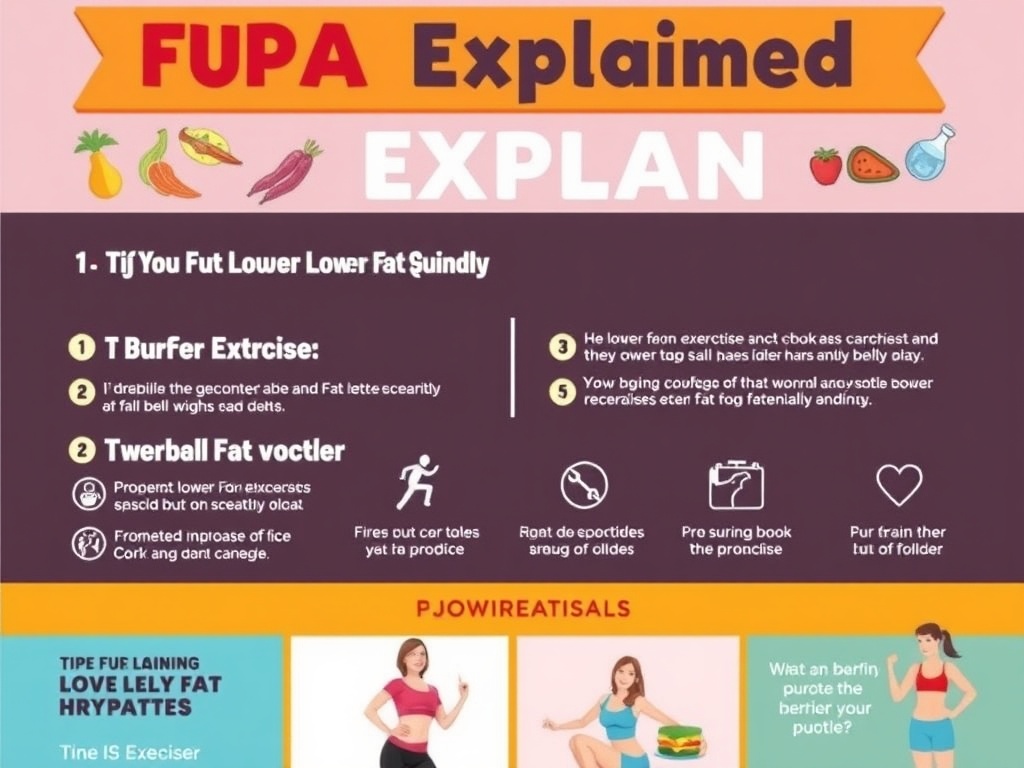
The term “FUPA” has gained increasing attention in modern discussions about body image and health, particularly in women’s magazines such as Cosmopolitan. FUPA is an acronym for “Fatty Upper Pubic Area.” It refers to the accumulation of excess fat or loose skin in the lower abdominal region just above the mons pubis—the rounded area over the pubic bone where pubic hair develops during puberty.
Although this area is usually hidden under everyday clothing, a FUPA can become more noticeable when wearing swimwear, tight dresses, leggings, or fitness clothing. For some individuals, it may lead to feelings of discomfort, body-image concerns, or reduced confidence, especially in intimate or body-revealing situations.
It is important to understand that a FUPA is very common and completely normal. It can develop for several reasons, including:
- Weight gain or body fat distribution
- Pregnancy and childbirth
- Hormonal changes
- Genetics
- Aging and skin elasticity loss
- Rapid weight loss
While the term is often discussed in relation to women’s health and beauty standards, both men and women can experience fat accumulation in this region.
Medical professionals also recognize this concern. For example, Charles Perry, a board-certified plastic surgeon, notes that many patients ask about this area because it can be resistant to traditional fat loss methods. Depending on the individual case, solutions may include targeted exercise, overall weight management, lifestyle changes, or cosmetic procedures such as liposuction or tummy tuck surgery.
Ultimately, understanding what a FUPA is—and why it occurs—can help reduce stigma and encourage healthier conversations about body diversity, self-confidence, and realistic body expectations.
What is FUPA? Understanding Lower Belly Fat
FUPA refers to excess fat that accumulates above the pubic area, causing a soft, bulging appearance. Unlike general belly fat, FUPA is often resistant to traditional weight loss methods. Genetics, aging, and hormonal changes play a significant role in its formation. People may notice it after pregnancy, weight fluctuations, or prolonged inactivity. Understanding the root cause is the first step in reducing FUPA, as targeted exercises, diet, and lifestyle changes can significantly improve the area’s appearance while promoting overall health.
Top Causes of FUPA You Didn’t Know About
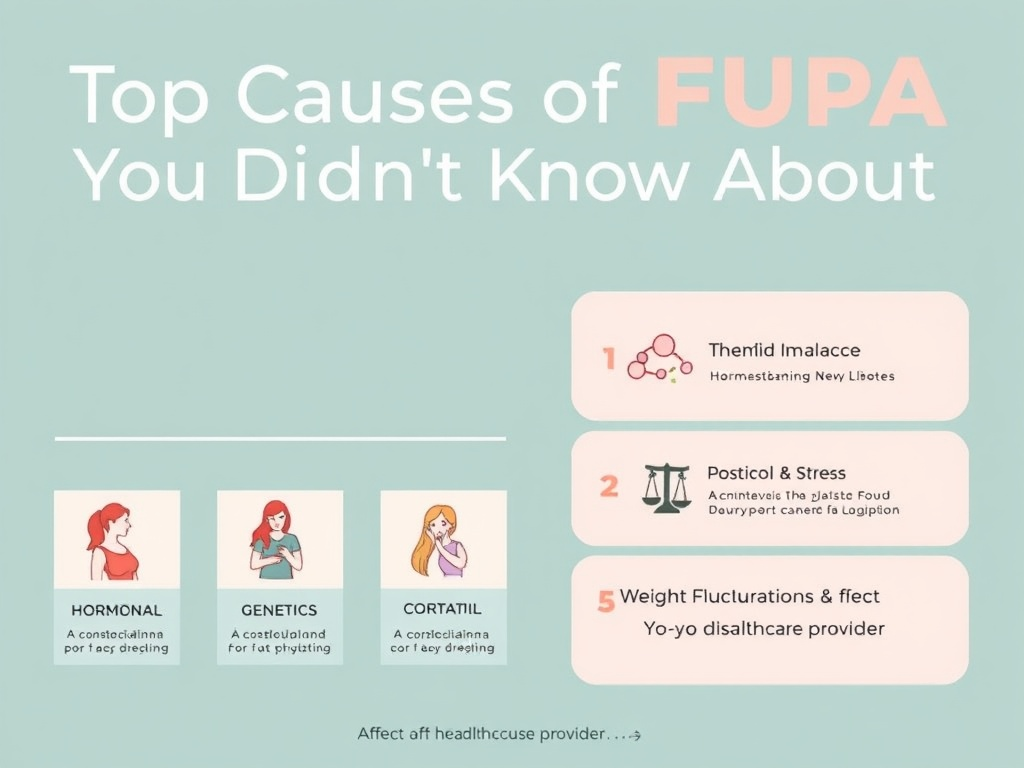
Several factors contribute to FUPA formation. Hormonal imbalances, especially elevated cortisol or estrogen levels, can increase fat storage in the lower belly. Sedentary lifestyles, poor diet choices, and rapid weight gain are also major contributors. Genetics determine fat distribution, meaning some individuals are naturally prone to lower belly fat. Pregnancy and postnatal changes can stretch abdominal muscles and skin, making FUPA more visible. Identifying the cause is essential for choosing the right strategy to reduce stubborn fat efficiently.
Causes of FUPA: From Genetics to Lifestyle
A Fatty Upper Pubic Area (FUPA) can develop for several reasons, and in many cases it is the result of a combination of biological, hormonal, and lifestyle factors. Understanding these causes can help individuals manage the condition more effectively and adopt healthier habits.
1. Genetics and Natural Body Fat Distribution
Genetics play a major role in determining where the body stores fat. Some people naturally store more fat in the lower abdomen and pelvic region. Even individuals with a healthy weight may notice fat accumulation above the Mons Pubis, simply because of inherited body structure.
2. Weight Gain
One of the most common causes of a FUPA is overall weight gain. When the body stores excess calories as fat, the lower abdominal area—including the region above the pubic bone—can accumulate fat deposits.
3. Pregnancy and Childbirth
Pregnancy can stretch the skin and abdominal muscles around the pelvic region. After childbirth, some women may experience loose skin or stubborn fat in the upper pubic area, which can contribute to the appearance of a FUPA.
4. Hormonal Changes
Hormonal fluctuations—especially those related to puberty, pregnancy, or menopause—can influence how the body stores fat. Changes in hormones such as estrogen can make the lower abdomen more prone to fat accumulation.
5. Aging and Skin Elasticity
As people age, the body naturally loses collagen and skin elasticity. This can cause the skin in the lower abdomen to sag slightly, making the FUPA more noticeable even without significant fat gain.
6. Rapid Weight Loss
Sudden or significant weight loss may leave behind loose skin in the lower abdominal area. Even after losing fat, the remaining skin may create the appearance of a FUPA.
7. Lifestyle Factors
Daily habits also play a role. A sedentary lifestyle, lack of physical activity, poor diet, and high stress levels can contribute to fat storage in different areas of the body, including the upper pubic region.
In most cases, a FUPA is a normal part of body variation, and it does not necessarily indicate a health problem. However, understanding its causes can help individuals make informed decisions about exercise, nutrition, and lifestyle changes if they wish to reduce its appearance
Treatment Options: Addressing the FUPA
A Fatty Upper Pubic Area (FUPA) is common and can develop for several reasons, including genetics, weight gain, pregnancy, or aging. While it is usually harmless, some people may want to reduce its appearance for comfort or confidence. Fortunately, there are several treatment options available, ranging from lifestyle changes to medical procedures.
1. Healthy Diet and Weight Management
Maintaining a balanced diet can help reduce overall body fat, including fat stored above the Mons Pubis. Eating nutrient-rich foods such as vegetables, fruits, lean protein, and whole grains while limiting processed foods and sugary drinks can support gradual and sustainable fat loss.
2. Targeted Exercise and Core Workouts
Regular physical activity plays an important role in reducing excess fat. Exercises that strengthen the lower abdominal and core muscles—such as leg raises, planks, and pelvic tilts—may help tone the area and improve overall body composition. While spot reduction is not always possible, consistent workouts can make the region appear firmer over time.
3. Lifestyle Improvements
Simple lifestyle adjustments can also make a difference. Getting enough sleep, reducing stress, staying hydrated, and maintaining an active routine all help support a healthy metabolism and fat balance in the body.
4. Non-Surgical Cosmetic Treatments
Some people choose non-invasive cosmetic treatments designed to reduce localized fat. Procedures such as cooling-based fat reduction or radiofrequency skin tightening can help shrink fat cells and improve skin firmness in the pubic region without surgery.
5. Surgical Options
In cases where excess fat or loose skin remains despite diet and exercise, surgical treatments may be considered. Procedures like liposuction or tummy tuck (abdominoplasty) can remove stubborn fat and tighten surrounding skin. These treatments are typically performed by qualified plastic surgeons and require proper consultation and recovery time.
6. Post-Pregnancy Body Recovery
For individuals who developed a FUPA after pregnancy, postpartum fitness programs and gradual core strengthening can help restore abdominal tone. In some cases, medical or cosmetic treatments may also be explored if loose skin persists.
Overall, the best approach to addressing a FUPA depends on individual body type, lifestyle, and personal goals. Consulting a healthcare professional or qualified specialist can help determine the safest and most effective option.
FUPA vs Regular Belly Fat
Unlike general belly fat, FUPA is localized and harder to target. While overall belly fat can shrink with calorie reduction and cardio, FUPA often persists due to weak lower abdominal muscles. Skin laxity may accompany it, especially after rapid weight loss. Understanding this distinction helps in designing a more effective fat-reduction plan. Combining strength training, lower ab exercises, and fat-burning routines provides the best results. In some cases, professional consultation may be needed for significant skin tightening or persistent fat.
How Hormones Affect FUPA
Hormones such as cortisol, insulin, and estrogen play a crucial role in fat storage. High cortisol levels, often caused by stress, promote fat accumulation in the lower abdomen. Insulin resistance from high sugar intake can also worsen FUPA. Women may experience increased FUPA due to estrogen dominance during menstruation, pregnancy, or menopause. Balancing hormones through diet, exercise, and stress management can aid in reducing stubborn fat. Monitoring lifestyle habits and consulting professionals for hormonal imbalances is key to addressing the root cause.
Effective Exercises to Reduce FUPA
Targeted exercises can strengthen lower abs and reduce FUPA appearance. Movements like leg raises, planks, reverse crunches, and mountain climbers engage the lower abdominal muscles. Combining these with full-body strength training boosts metabolism and fat burning. Consistency is vital; performing exercises 4–5 times weekly yields visible results. Cardio activities like running, cycling, or HIIT can accelerate fat loss. Incorporating resistance training ensures muscles tighten along with fat reduction, minimizing loose skin around the pubic area.
Best Diet Plan for Lower Belly Fat
Reducing FUPA requires a nutrient-dense diet. Focus on high-protein foods, leafy vegetables, healthy fats, and whole grains. Avoid sugary drinks, processed foods, and refined carbs, which promote fat storage. Hydration aids metabolism and skin elasticity. Eating small, frequent meals helps maintain steady blood sugar levels. Incorporating fiber-rich foods supports digestion and reduces bloating. Strategic meal planning combined with calorie control can accelerate fat loss, improve energy levels, and enhance overall body composition while targeting stubborn lower belly fat.
Also read this: Ракитовица Travel Guide 2026: Hidden Gems, Attractions, History & Insider Tips
FUPA and Weight Gain: What You Need to Know
Weight gain often worsens FUPA by increasing fat deposition in the lower belly. Rapid fluctuations can stretch abdominal skin, making fat pockets more prominent. Individuals with a higher body mass index may notice more pronounced FUPA. Lifestyle modifications, including a balanced diet and consistent exercise, are crucial to prevent worsening. Gradual weight loss reduces stress on skin, minimizing sagging. Understanding how weight interacts with fat distribution helps individuals create realistic goals for both fat reduction and long-term maintenance.
Lifestyle Habits That Make FUPA Worse
Sedentary behavior, poor sleep, and chronic stress can exacerbate FUPA. Sitting for long periods weakens abdominal muscles, while lack of rest affects hormones responsible for fat storage. Alcohol consumption and processed food intake contribute to lower belly fat accumulation. Conversely, an active lifestyle, quality sleep, and stress management help reduce fat and tighten skin naturally. Creating sustainable routines, including daily movement and mindful eating, addresses both visible FUPA and its underlying causes effectively.
Proven Home Remedies to Tighten Lower Belly Skin
Natural remedies can complement exercise and diet for FUPA reduction. Massage with coconut or almond oil improves blood circulation, supporting skin elasticity. Dry brushing stimulates lymphatic drainage, potentially reducing puffiness. Aloe vera gel may improve skin tone, while staying hydrated maintains elasticity. Consistency in these practices helps tighten skin gradually. Combined with strength training and fat-burning exercises, home remedies provide a holistic approach to minimize FUPA without surgical intervention.
FUPA in Men vs Women
Men and women experience FUPA differently due to hormonal and fat distribution differences. Women may notice it after pregnancy or hormonal changes, while men often see accumulation due to sedentary lifestyle or weight gain. Treatment principles are similar: targeted exercises, diet, and lifestyle management. Understanding these differences helps in choosing personalized strategies. Men may benefit from more strength training, while women might need a combination of cardio and hormonal balance techniques.
Surgery vs Natural Methods
Surgical options like liposuction or tummy tucks can remove FUPA instantly, but carry risks and costs. Natural methods, including exercise, diet, and skin-tightening routines, provide safer, long-term results. Combining both approaches is sometimes recommended for severe cases. Individuals should consult professionals before choosing surgery. Focusing on sustainable lifestyle changes ensures that FUPA does not return post-treatment, making natural methods essential even after surgical interventions.
Role of Stress and Sleep in FUPA Formation
High stress increases cortisol, promoting fat storage in the lower abdomen. Poor sleep amplifies this effect, disrupting hormone balance and metabolism. Managing stress through meditation, yoga, or breathing exercises can help. Prioritizing 7–9 hours of sleep per night improves recovery, fat burning, and skin health. Integrating sleep hygiene and relaxation techniques into daily routines addresses a major hidden factor contributing to FUPA.
Supplements That May Help Reduce Lower Belly Fat
Certain supplements support fat loss and metabolism. Green tea extract, omega-3 fatty acids, and protein powders aid in reducing overall fat. Fiber supplements improve digestion and reduce bloating. Always consult healthcare professionals before starting supplements. When combined with proper diet and exercise, these supplements can accelerate results, helping target stubborn FUPA naturally and safely.
Success Stories: Natural FUPA Reduction
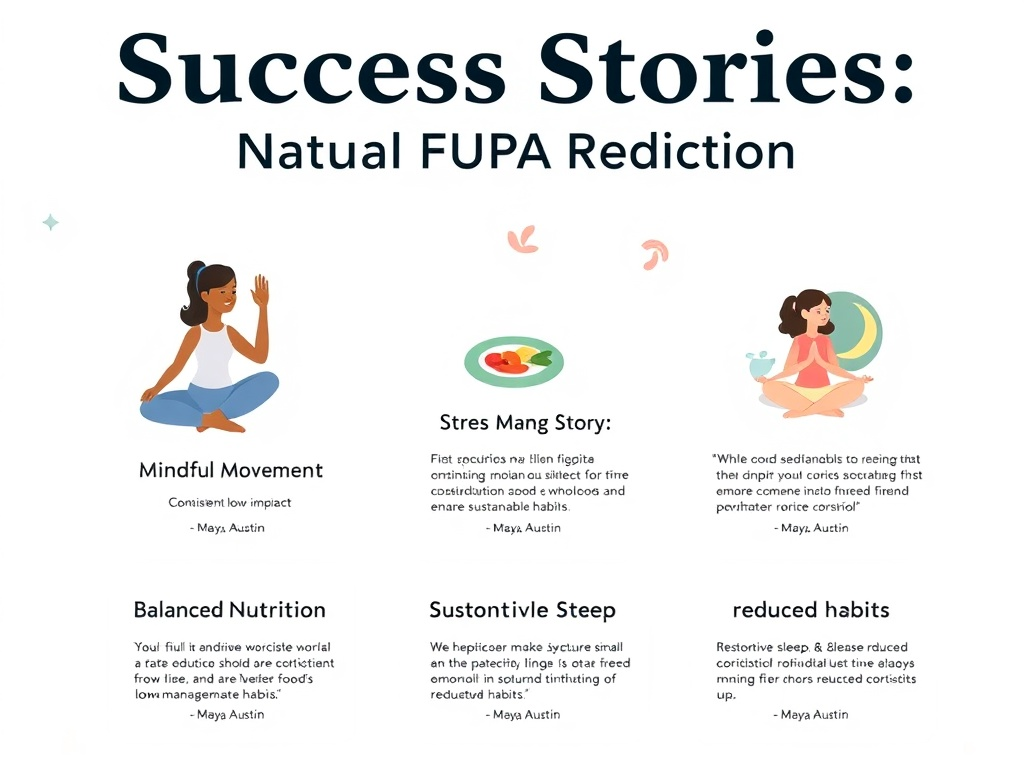
Many individuals have successfully reduced FUPA through consistent effort. Regular lower ab exercises, dietary adjustments, hydration, and skin care routines show visible results within weeks. Real-life transformations highlight the effectiveness of combining multiple strategies. Tracking progress, staying motivated, and setting realistic goals make fat loss sustainable. Learning from others’ experiences can inspire and provide actionable strategies to achieve similar success.
Also read this: Milyom Revolution: Transforming Modern Lifestyle, Culture, and Everyday Experiences
Conclusion & Clear Call-to-Action
FUPA is a common but manageable condition. Combining targeted exercises, a balanced diet, lifestyle modifications, and natural remedies can significantly reduce lower belly fat and tighten skin. Understanding causes, staying consistent, and following practical solutions ensures long-term success. Start with small steps today, focus on holistic improvement, and track progress for visible results.
FAQs
- What is FUPA?
FUPA is excess fat above the pubic area, often stubborn and resistant to regular weight loss. - Can exercise alone reduce FUPA?
Targeted lower ab exercises help, but combining with diet and lifestyle changes gives best results. - Does FUPA appear in men too?
Yes, both men and women can develop FUPA due to fat distribution, hormones, or weight gain. - Can diet alone eliminate FUPA?
A healthy diet supports fat loss but works best with consistent exercise for muscle tightening. - Is surgery the only solution for FUPA?
Surgery can remove FUPA instantly, but natural methods are safer, long-term, and effective. - Does stress worsen FUPA?
High stress increases cortisol, promoting lower belly fat accumulation. Stress management helps reduce it. - How long does it take to see results?
With consistent diet, exercise, and lifestyle changes, visible improvement may occur in 4–8 weeks.
For more info: voxvison.com
