
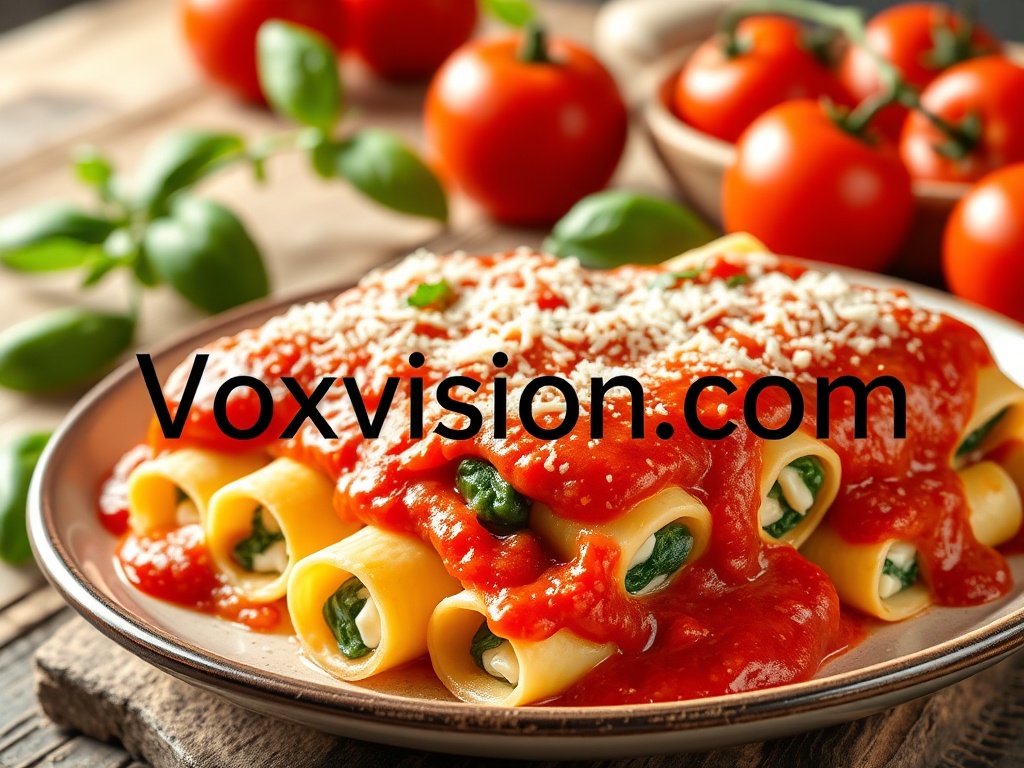
Mannacote is a type of Italian stuffed pasta, similar to manicotti but with unique fillings and preparation methods. It can be made with ricotta, meats, or vegetables and is baked with sauces like marinara or béchamel. Rich in protein and customizable, Mannacote offers a delicious yet balanced dish suitable for family meals, festive occasions, or even healthy portion-controlled servings.
Mannacote is an Italian stuffed pasta dish gaining popularity worldwide for its versatility, rich flavors, andcultural significance. Unlike traditional manicotti, Mannacote allows for creative fillings, including ricotta, spinach, meats, and even seasonal vegetables. This guide explores its nutritional benefits, variations trending in 2026, and tips for portion control and healthy preparation. Whether homemade or store-bought, Mannacote can be part of balanced meals, celebrated in Italian-American culture, and easily adapted for gluten-free or vegan diets, making it a must-try pasta for every household.
What Is Mannacote? A Complete Beginner’s Guide
Mannacote is an Italian stuffed pasta that closely resembles manicotti but offers distinct flavors and textures due to its fillings and preparation methods. Traditionally made with rolled pasta tubes, Mannacote can be stuffed with cheeses, meats, vegetables, or a combination. The dish is typically baked with rich sauces like tomato, marinara, or creamy béchamel, making it a hearty main course. Originating from Italian-American communities, Mannacote has grown in popularity because it’s customizable, visually appealing, and delicious. For beginners, it may seem complicated, but with the right ingredients and step-by-step guidance, anyone can master this pasta. The dough can be homemade or store-bought, offering flexibility in cooking. Understanding the basic preparation and ingredient combinations is key to creating a perfect Mannacote that is flavorful, balanced, and satisfying.
Mannacote vs. Manicotti: Understanding the Key Differences
Many confuse Mannacote with manicotti, but there are clear distinctions. Manicotti typically uses large pasta tubes filled with ricotta or ricotta-spinach blends. Mannacote, on the other hand, allows more variety in fillings, including meats, seafood, andseasonal vegetables. While both dishes are baked with sauces, Mannacote often incorporates unique spices or layered cheeses, creating a more flavorful experience. The texture of Mannacote pasta may also differ slightly depending on preparation techniques, offering a tender yet firm bite. Understanding these differences ensures you can select or create the right recipe for your taste and dietary preferences. Mannacote’s flexibility makes it a popular choice for families, celebrations, and experimental chefs looking for a creative twist on classic stuffed pasta.
How to Make Mannacote: Ingredients and Step-by-Step Prep
Making Mannacote at home begins with selecting the pasta: fresh, homemade sheets or store-bought tubes. For the filling, common ingredients include ricotta cheese, mozzarella, parmesan, sautéed spinach, ground meats, or roasted vegetables. Start by pre-cooking any meat or vegetables and seasoning them with herbs like basil, oregano, and parsley. Combine these with cheese for a creamy mixture. Fill each pasta tube carefully, then layer in a baking dish with sauce. Cover with additional cheese and bake at 350°F (175°C) for 25–30 minutes until bubbly and golden. Simple techniques like pre-soaking pasta or lightly greasing the baking dish prevent sticking. With these steps, even a beginner can achieve a perfect homemade Mannacote.
Mannacote Nutrition Facts: What’s in Each Serving
A typical serving of Mannacote contains around 300–400 calories, depending on the filling and sauce. It provides 15–20 grams of protein, primarily from cheese and meats, along with 30–40 grams of carbohydrates from the pasta. Fat content varies, often between 12–18 grams, mostly from cheeses and oils. Mannacote also offers calcium, iron, and essential vitamins from vegetables included in the filling. By adjusting the ingredients, such as using lean meats or whole-grain pasta, Mannacote can be made more nutritious. It’s a balanced dish offering proteins, carbs, and fats in a single serving, making it suitable for active teens and adults seeking flavorful meals without compromising nutrition.
Is Mannacote Healthy? Expert Dietitian Insights
Mannacote can be healthy when prepared mindfully. Dietitians recommend using fresh vegetables, lean proteins, and moderate cheese quantities. Baking instead of frying keeps calories in check, while incorporating whole-grain pasta increases fiber. A serving of Mannacote can satisfy hunger, provide essential nutrients, and support growth and energy levels. Portion control is crucial, as overconsumption can lead to excessive calorie intake. Substituting sauces with low-fat options or homemade tomato sauces reduces sodium and preservatives. With these considerations, Mannacote can be part of a balanced diet while remaining delicious and indulgent enough for special occasions.
Also read this: Chandi Heffner: The Untold Story of Doris Duke’s Adopted Daughter
The Functional Nutrition Benefits of Mannacote
Mannacote provides functional nutrition beyond basic calories. Ricotta and other cheeses offer high-quality protein and calcium, supporting bone health. Vegetables in the filling supply antioxidants and vitamins, which promote immunity. When paired with lean meats, Mannacote becomes a source of essential amino acids. Using olive oil or other healthy fats enhances heart health, while herbs like oregano and basil offer anti-inflammatory properties. For teenagers and young adults, this combination of macronutrients and micronutrients makes Mannacote a satisfying and beneficial meal that supports both growth and daily energy needs.
Top Mannacote Variations Trending in 2026
In 2026, culinary trends show exciting Mannacote variations. Popular fillings include mushroom and truffle blends, vegan cheese with roasted vegetables, and spicy sausage with creamy tomato sauce. Fusion styles are also emerging, such as Mediterranean Mannacote with olives and feta or Tex-Mex Mannacote with black beans and chili. Even dessert-style Mannacote with chocolate ricotta is gaining attention. These trends reflect global influences, catering to adventurous eaters while keeping the classic Italian essence intact. Experimenting with fillings, sauces, and toppings ensures that Mannacote remains a versatile dish suitable for any occasion or dietary preference.
Portion Control Tips for Enjoying Mannacote
Mannacote can be rich, so portion control is essential. A recommended serving is usually 2–3 pasta tubes per person. Pairing it with a side salad or steamed vegetables balances the meal and prevents overeating. Pre-slicing and using smaller baking dishes can help regulate portions. For gatherings, consider making mini Mannacote rolls for individual servings. This approach allows diners to enjoy the flavors without excess calories. Tracking calorie intake and selecting lighter fillings or sauces ensures Mannacote remains a healthy and satisfying dish while still indulgent enough to feel like a treat.
Mannacote in Italian-American Culture and History
Mannacote has deep roots in Italian-American communities, evolving as immigrants adapted traditional Italian recipes using locally available ingredients. It represents comfort, family gatherings, and celebrations. Over decades, Mannacote has become a staple at Sunday dinners, holiday feasts, and cultural festivals. Its preparation and sharing highlight community and familial bonds, symbolizing the Italian-American identity. Understanding its cultural significance adds depth to enjoying the dish, connecting taste with tradition.
Homemade vs. Store-Bought Mannacote: Pros and Cons
Homemade Mannacote allows complete control over ingredients, flavors, and portion size. Fresh pasta and customized fillings enhance taste and nutrition. However, it requires time and effort. Store-bought options offer convenience, pre-cooked fillings, and ready-to-bake convenience but may contain preservatives and higher sodium. Choosing between homemade and store-bought depends on priorities: taste, health, or time-saving. A combination—using store-bought pasta with fresh fillings—is also effective for busy cooks.
Best Sauces and Sides to Pair with Mannacote
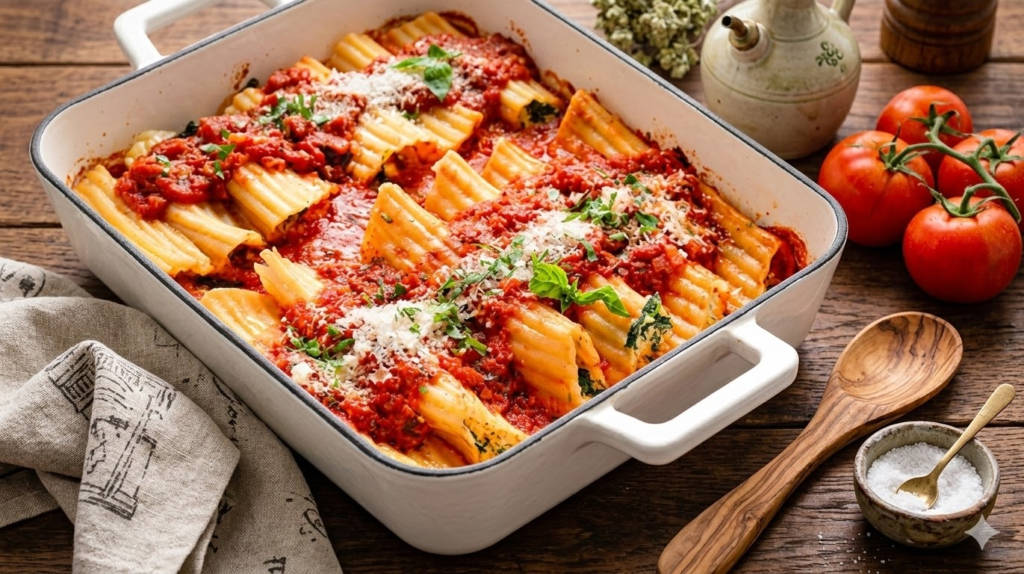
Classic pairings include marinara, béchamel, or tomato-basil sauces. Creamy Alfredo-style sauce adds richness, while pesto brings freshness. For sides, consider garlic bread, roasted vegetables, or a crisp salad. Wine pairings, like a light red Chianti, enhance the dining experience. Selecting complementary sauces and sides elevates Mannacote from a simple pasta dish to a complete, balanced meal.
Common Mannacote Cooking Mistakes and How to Avoid Them
Common errors include overfilling pasta tubes, undercooking the filling, or using too much sauce. Overfilling can cause breakage, while insufficient seasoning results in bland taste. Pre-cooking vegetables or meats prevents excess water from making the dish soggy. Baking at the correct temperature and covering initially with foil avoids burning or drying out. Following these tips ensures a perfect, restaurant-quality Mannacote every time.
Gluten-Free and Vegan Mannacote Options
For dietary restrictions, gluten-free Mannacote uses rice, corn, or chickpea pasta. Vegan versions replace cheese with cashew or almond-based alternatives and use plant-based proteins. Sauces can be dairy-free, such as tomato-based marinara or creamy coconut béchamel. These adaptations retain flavor and texture while catering to health-conscious or allergy-sensitive eaters.
Serving Mannacote for Special Occasions and Holidays
Mannacote’s elegant presentation makes it ideal for holidays, birthday dinners, or festive gatherings. Topping with fresh herbs, roasted vegetables, or a sprinkle of parmesan adds visual appeal. Mini versions allow easy plating for buffets or parties. Pairing with seasonal sides and beverages creates a memorable meal experience.
Conclusion
Homemade Mannacote is more than just a stuffed pasta dish—it is a celebration of traditional Italian cooking, fresh ingredients, and creativity in the kitchen. By learning the simple techniques of preparing the pasta, choosing flavorful fillings, and using rich sauces, anyone can recreate this comforting classic at home.
Whether you prefer a classic cheese filling, a savory meat mixture, or a vegetable-based option, Mannacote offers endless possibilities to suit every taste. The beauty of this dish lies in its versatility and the satisfaction that comes from making it from scratch.
With the tips, methods, and ideas shared in this guide, you can confidently prepare delicious homemade Mannacote for family dinners, special occasions, or whenever you crave authentic Italian comfort food. Keep experimenting with flavors and ingredients, and you’ll discover your own perfect version of this timeless stuffed pasta dish.
FAQs
- What is the difference between Mannacote and Manicotti?
Mannacote allows more filling variety and flavor customization compared to traditional manicotti, though both are baked pasta dishes. - Is Mannacote healthy for teenagers?
Yes, with balanced ingredients like vegetables, lean proteins, and controlled cheese, Mannacote provides essential nutrients for growing teens. - Can Mannacote be made vegan?
Absolutely! Use plant-based cheese alternatives, tofu, or vegetables for fillings, and dairy-free sauces like coconut béchamel. - How many calories are in one serving of Mannacote?
A typical serving ranges from 300–400 calories, depending on filling and sauce choices. - Can I make Mannacote gluten-free?
Yes, substitute traditional pasta with gluten-free pasta made from rice, chickpea, or corn. - What sauces pair best with Mannacote?
Marinara, béchamel, pesto, or creamy Alfredo-style sauces complement Mannacote perfectly. - How can I prevent Mannacote from breaking while baking?
Avoid overfilling, pre-cook fillings, and cover the dish with foil initially to maintain structure and moisture.
For more info: Voxvison.com
