
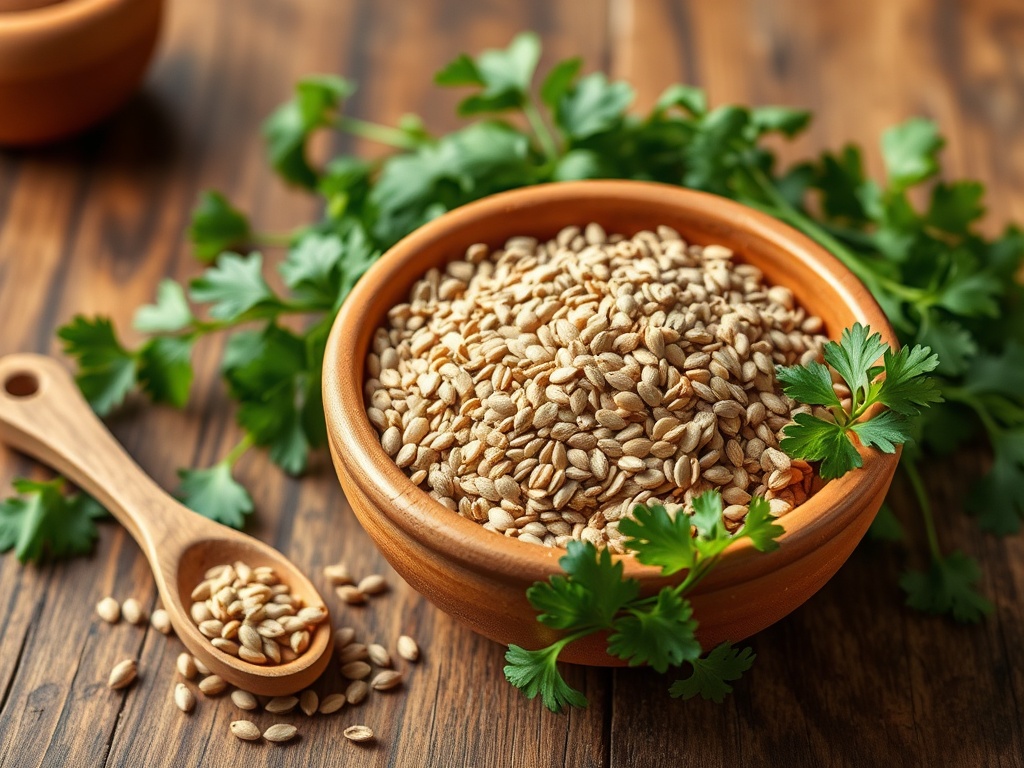
Koriandri, commonly known as coriander, is a versatile herb that enhances flavor, boosts nutrition, and improves digestion. Its leaves, seeds, and roots are all edible and widely used in cooking, herbal remedies, and even skin care. Using Koriandri in daily meals can transform ordinary dishes into aromatic, flavorful delights while providing antioxidants, vitamins, and essential minerals.
Koriandri is a fragrant herb celebrated worldwide for its culinary and health benefits. Both its fresh leaves and dried seeds add flavor and aroma to a variety of dishes, from curries to salads. Beyond taste, Koriandri offers digestive, antioxidant, and anti-inflammatory properties, making it a natural wellness booster. This complete guide explores its uses in cooking, home remedies, and even beauty routines, providing practical tips to maximize its benefits. By understanding how to incorporate Koriandri into your meals and lifestyle, you can enhance flavors, nutrition, and overall well-being effortlessly.
What Is Koriandri?
Koriandri, also called coriander, is a herb widely used in cooking and traditional medicine. Its fresh leaves have a distinct, fresh flavor, while the seeds provide a warm, citrusy aroma. Native to the Mediterranean and South Asia, Koriandri has been cultivated for thousands of years. Its adaptability makes it ideal for salads, curries, sauces, and marinades. In addition to culinary uses, every part of the plant, including roots, seeds, and leaves, contains compounds that support digestion, immunity, and overall health, making it a staple herb in both kitchens and natural remedies.
Nutritional Profile of Koriandri
Koriandri is low in calories but rich in vitamins, minerals, and antioxidants. It contains vitamin C, vitamin K, and small amounts of B vitamins. The seeds are packed with dietary fiber, iron, and magnesium, which support digestion and metabolic functions. Antioxidants in Koriandri help fight free radicals, reducing inflammation and protecting cells from damage. Including this herb in your daily diet can enhance nutrient intake while adding a unique flavor. Its natural compounds may also support heart health, promote detoxification, and contribute to maintaining a healthy immune system over time.
Culinary Uses of Koriandri
Koriandri is extremely versatile in the kitchen. Fresh leaves can be added to salads, soups, and smoothies for a refreshing taste. The seeds, either whole or ground, are perfect for spice blends, curries, and baked dishes. It pairs well with vegetables, meats, rice, and legumes, enhancing flavor without overpowering other ingredients. In addition to traditional cuisines, Koriandri can be used in fusion recipes, from pesto to marinades. Its aroma and taste make dishes more appetizing, while its nutritional value ensures meals are both healthy and delicious.
Health Benefits of Koriandri
Koriandri offers multiple health benefits, including improved digestion, reduced inflammation, and antioxidant support. Its natural compounds may help regulate blood sugar levels and support heart health. Regular consumption can aid detoxification by promoting the elimination of heavy metals and toxins. The herb also supports skin health, reducing acne and irritation when used in home remedies. Whether consumed fresh, as a spice, or as an infusion, Koriandri can play a significant role in maintaining overall wellness, making it a valuable addition to a balanced diet.
Using Koriandri in Traditional Medicine
In traditional medicine, Koriandri has been used to treat digestive issues, inflammation, and infections. Its seeds are often used in teas to alleviate stomach discomfort, while its leaves are applied to minor skin irritations. Some cultures use Koriandri to support kidney and liver function. The essential oils extracted from the plant have antimicrobial properties, making it effective in preventing certain infections. Incorporating Koriandri into both diet and home remedies allows people to harness its natural medicinal benefits while enjoying its culinary versatility.
How to Store Koriandri
Fresh Koriandri leaves should be stored in a refrigerator wrapped in a damp paper towel to maintain freshness for up to a week. For long-term storage, drying the leaves or seeds preserves their flavor and aroma. Ground seeds should be kept in airtight containers away from heat and sunlight. Proper storage not only retains taste but also preserves nutrients. By storing Koriandri correctly, you can have this flavorful herb available year-round for cooking and home remedies, ensuring consistent quality and effectiveness in every use.
Koriandri in Everyday Cooking
Adding Koriandri to everyday meals enhances both taste and nutrition. Sprinkle fresh leaves on sandwiches, soups, or stir-fries for a burst of flavor. Use ground seeds in marinades, stews, and curries to deepen aroma and complexity. Its mild citrusy notes blend well with most herbs and spices, making it ideal for experimentation in new recipes. Even small amounts of Koriandri can transform a simple dish into something vibrant and appetizing. Regular use ensures you enjoy both culinary delight and the herb’s health-promoting properties.
Tips for Growing Koriandri at Home
Koriandri grows best in well-drained soil and full sunlight. It prefers moderate watering and should be harvested when leaves are young for the best flavor. Growing your own herb ensures freshness, sustainability, and year-round availability. Both leaves and seeds can be harvested for culinary and medicinal uses. Home-grown Koriandri can be used immediately, retaining maximum nutrients and flavor, and reduces reliance on store-bought herbs. Gardening also provides the added benefit of connecting with nature and understanding the growth cycle of this valuable plant.
Incorporating Koriandri in Beverages
Koriandri can be added to smoothies, juices, and teas for extra flavor and nutrients. Fresh leaves blend well with fruits and vegetables, adding a subtle, refreshing taste. Seeds can be lightly roasted and steeped in hot water to make herbal teas that aid digestion. Including Koriandri in beverages is an easy way to consume the herb without altering meals. Regular intake through drinks can help harness its antioxidant and detoxifying properties while adding unique taste to daily hydration routines.
Also read this: Lufanest Hidden Traditions: Complete Guide on Culture, Community & Human Health
Koriandri for Skin and Beauty
Koriandri is used in natural skincare for its anti-inflammatory and antimicrobial properties. Its leaves and seeds can be made into pastes or infused oils to reduce acne, soothe irritation, and improve skin tone. Rich antioxidants protect against premature aging and environmental damage. Incorporating Koriandri into home beauty routines provides a natural, chemical-free alternative to commercial products. Consistent use can enhance skin health while providing nourishment from a readily available herb found in most kitchens.
Safety and Precautions
While Koriandri is safe for most people, some may experience allergic reactions, especially those sensitive to plants in the parsley family. Excessive consumption may lead to digestive discomfort. Pregnant and breastfeeding women should consult a healthcare professional before using Koriandri in large amounts. Always wash leaves thoroughly to remove dirt and potential pesticides. By using Koriandri mindfully, you can enjoy its culinary and medicinal benefits safely without adverse effects.
Interesting Facts About Koriandri
Koriandri is one of the oldest herbs known to humans, with cultivation dating back over 3,000 years. Ancient Egyptians used it for embalming, while Greeks valued its seeds for culinary and medicinal purposes. Today, it remains a staple in Indian, Middle Eastern, and Latin American cuisines. Its adaptability and rich flavor make it a global herb cherished for taste and health. Knowing these facts adds appreciation for Koriandri and encourages creative use in modern cooking and wellness practices.
Combining Koriandri With Other Herbs
Koriandri pairs well with parsley, mint, basil, and dill, enhancing the flavor complexity of dishes. It complements both spicy and mild foods, making it ideal for sauces, salads, and marinades. When combined with citrus, garlic, or ginger, its flavor becomes more vibrant. Strategic pairing not only improves taste but can also increase the nutritional and antioxidant profile of meals, maximizing both culinary and health benefits. Experimenting with combinations can help create signature flavors for personal recipes.
Recipes to Try With Koriandri
Popular recipes include coriander chutney, Koriandri rice, soups, and roasted vegetables. Sprinkle fresh leaves over tacos, curries, or grain bowls to elevate flavor instantly. Use roasted seeds in spice mixes for meat or vegetable dishes. Even simple salads become aromatic with Koriandri. By experimenting with traditional and modern recipes, you can make this herb a kitchen staple, ensuring every meal is flavorful and nutrient-rich.
Conclusion
Koriandri is more than just a herb; it’s a culinary and wellness powerhouse. From enhancing flavors in everyday dishes to supporting digestion, immunity, and skin health, its benefits are vast. By incorporating Koriandri thoughtfully into meals, beverages, and home remedies, you can enjoy both taste and wellness. Its versatility ensures that even small amounts transform dishes, making it a must-have herb for any kitchen. Start exploring its uses today and discover the difference this ancient herb brings to modern cooking and health routines.
FAQs About Koriandri
Q1: Is Koriandri safe to eat daily?
Yes, in moderate amounts, Koriandri is safe for daily consumption and offers nutritional and health benefits.
Q2: Can I use Koriandri seeds and leaves together?
Absolutely. Leaves provide fresh flavor, while seeds add aromatic warmth to dishes.
Q3: Does Koriandri help with digestion?
Yes, Koriandri contains compounds that support healthy digestion and reduce bloating.
Q4: How long does fresh Koriandri last?
When refrigerated properly, fresh leaves last up to one week; seeds last longer in airtight containers.
Q5: Can Koriandri improve skin health?
Yes, its antioxidant and antimicrobial properties help reduce acne and soothe irritation.
Q6: Is Koriandri suitable for teas?
Yes, both seeds and leaves can be used to make digestive and refreshing herbal teas.
Q7: How should I store Koriandri for maximum freshness?
Wrap leaves in a damp paper towel in the fridge; keep seeds in airtight containers away from sunlight.
For more info: voxvison.com
