
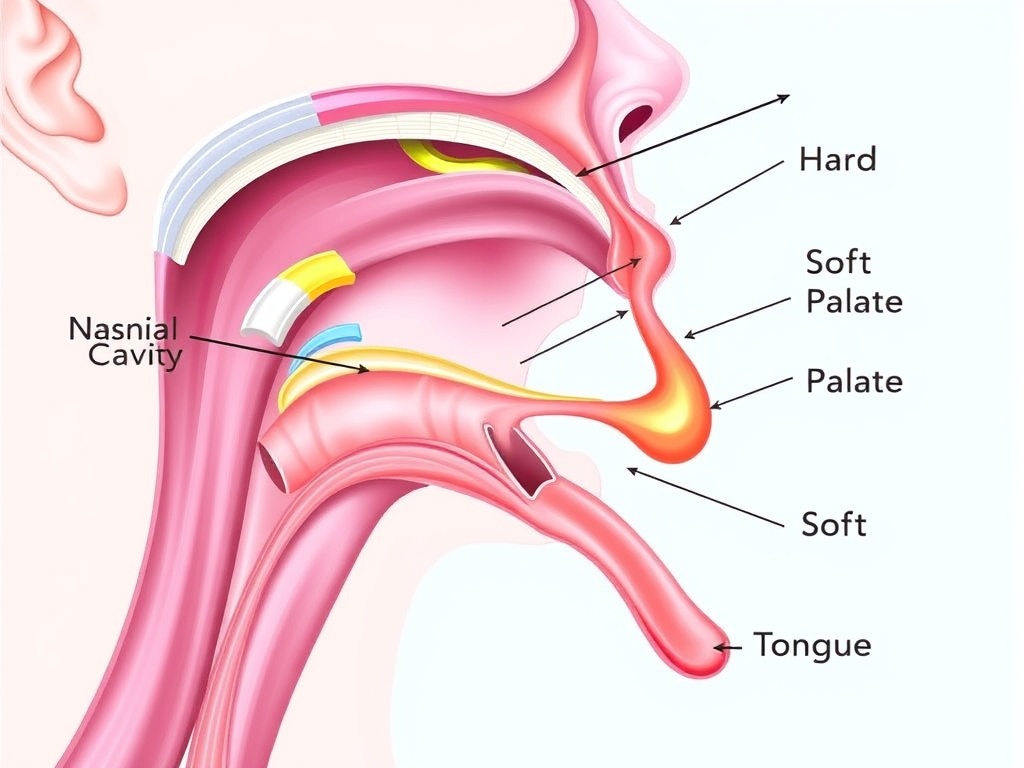
Adenoidid is inflammation of the adenoids, small lymphoid glands behind the nose. It commonly causes nasal blockage, snoring, ear infections, and breathing difficulties, especially in children. Treatment includes medications like antibiotics or nasal sprays and, in severe cases, surgical removal (adenoidectomy). Early recognition and proper care can improve sleep, breathing, and overall health outcomes.
Adenoidid is a condition where the adenoids, lymphatic tissues behind the nasal cavity, become inflamed. This leads to symptoms like nasal congestion, snoring, difficulty breathing, and recurrent ear infections. Children are most affected, though adults can also experience it due to infections or allergies. Diagnosis involves a physical exam, imaging, or nasal endoscopy. Mild cases are treated with medications and home care, while severe or persistent cases may require adenoidectomy. Understanding the causes, symptoms, and treatment options is crucial for effective management. Early intervention ensures better sleep, reduced infection risk, and improved quality of life for affected individuals.
What Are Adenoids?
Adenoids are small lymphoid tissues located behind the nasal cavity. They help trap bacteria and viruses entering through the nose or mouth. When these tissues swell due to infections or allergies, the condition is called adenoidid. Enlarged adenoids can block airflow, making breathing difficult. Children’s adenoids are naturally larger, which increases susceptibility. While adenoids shrink with age, persistent inflammation can cause chronic nasal congestion, ear infections, and snoring. Understanding their role helps recognize why inflammation affects overall health.
Causes of Adenoidid
Adenoidid usually develops from viral or bacterial infections. Repeated respiratory infections, colds, and sinusitis trigger chronic inflammation. Allergies, environmental pollutants, and secondhand smoke also contribute to swelling. In some cases, children may have naturally large adenoids, leading to persistent symptoms even without infection. A weakened immune system can make the tissues more reactive, prolonging inflammation. Timely intervention prevents complications like sleep apnea or ear problems. Identifying the exact cause is essential for choosing effective treatments and minimizing the risk of recurrence.
Common Symptoms
Typical symptoms of adenoidid include nasal congestion, snoring, mouth breathing, and frequent ear infections. Children may have disturbed sleep, poor appetite, and a nasal tone when speaking. Adults may experience persistent sinus congestion, post-nasal drip, or sore throat. Other signs include difficulty swallowing, fatigue, and irritability due to disrupted sleep. Recognizing symptoms early is critical to prevent complications such as hearing loss, recurrent infections, or sleep apnea. Consulting a doctor ensures proper diagnosis and management to improve quality of life.
How Adenoidid Is Diagnosed
Diagnosis begins with a thorough physical exam, checking nasal passages and throat. Doctors may use nasal endoscopy or X-rays to view the adenoids’ size and inflammation. Medical history, including sleep disturbances, breathing issues, and recurrent infections, is reviewed. Sometimes, hearing tests are performed if ear infections are frequent. Accurate diagnosis distinguishes adenoidid from other conditions like tonsillitis or sinusitis. Proper evaluation ensures the selected treatment addresses the cause effectively and reduces the risk of recurring problems.
Also read this: Skinpres T: Revolutionize Your Skincare Routine Today Naturally
Non-Surgical Treatment Options
Mild adenoidid can be managed with medications. Antibiotics are used if bacterial infection is detected. Nasal corticosteroid sprays reduce swelling and inflammation, while saline rinses help clear mucus. Treating underlying allergies with antihistamines can prevent flare-ups. Environmental changes, such as avoiding smoke and pollutants, improve recovery. Home care includes hydration, humidified air, and maintaining proper hygiene. Early non-surgical management can significantly relieve symptoms and prevent escalation to surgical intervention.
When Surgery Is Recommended
Surgery, called adenoidectomy, is necessary when symptoms persist despite medications. Severe complications like obstructive sleep apnea, chronic ear infections, or difficulty breathing are key indicators. Adenoid removal is commonly performed in children under general anesthesia. Recovery is generally quick, with normal activity resuming within a week. Surgery improves breathing, reduces snoring, and prevents recurring infections. Consultation with an ENT specialist ensures proper assessment and minimal risk, helping achieve long-term relief.
Risks and Complications
Untreated adenoidid may cause sleep apnea, hearing problems, and chronic infections. Enlarged adenoids can block nasal airflow, leading to disturbed sleep and fatigue. In children, this may affect growth, school performance, and behavior. Chronic ear infections can result in temporary hearing loss. Adults may suffer persistent sinus infections or post-nasal drip. Early diagnosis and treatment minimize complications and improve overall health outcomes. Awareness of potential risks encourages timely medical intervention.
Adenoidid in Children vs Adults
Children are more susceptible due to larger, more reactive adenoids. Symptoms in children often include snoring, sleep disturbances, and recurrent infections. Adults usually experience mild enlargement caused by infections or allergies, leading to sinus problems, post-nasal drip, or mild breathing issues. Treatment differs by age; children may require surgery more often, while adults respond to medications. Understanding age-specific symptoms ensures accurate diagnosis and appropriate care.
Home Care and Prevention
Home care supports recovery and prevents flare-ups. Saline nasal sprays, humidifiers, and maintaining clean air reduce inflammation. Avoiding allergens and irritants, staying hydrated, and practicing good hygiene strengthen immunity. Monitoring for recurring infections ensures early intervention. Nutrient-rich diets and adequate sleep help the immune system fight infections, minimizing adenoid swelling. Combining home care with medical treatment improves outcomes and prevents chronic problems.
Sleep and Daily Life Impact
Adenoidid disrupts sleep through snoring, restless sleep, and sleep apnea. Poor sleep causes daytime fatigue, irritability, and reduced concentration. Children may show behavioral changes, learning difficulties, or growth delays. Treating adenoidid restores normal sleep, energy, and cognitive performance. Improving sleep quality also supports immunity and reduces susceptibility to infections. Recognizing the impact on daily life emphasizes the need for timely treatment.
Connection to Ear Infections
Enlarged adenoids can block the Eustachian tube, causing fluid buildup in the middle ear. This leads to recurrent ear infections, hearing loss, or discomfort. Treating adenoidid often resolves these issues. In some cases, ear tube insertion may be combined with adenoidectomy to restore normal ear function. Early intervention prevents long-term hearing problems and associated developmental issues in children.
Also read this: Serlig: Hidden Lifestyle Tool for Better Health and Well-Being
Long-Term Outlook
With proper treatment, adenoidid has an excellent prognosis. Mild cases respond to medications, while surgical removal solves severe cases permanently. Patients typically experience improved breathing, fewer infections, and better sleep quality. Regular monitoring ensures any recurrence is detected early. Most children and adults return to normal daily activities without complications. Early care maximizes long-term health benefits and quality of life.
Conclusion
Adenoidid, though common, can significantly affect breathing, sleep, and daily life. Early recognition of symptoms, causes, and proper treatment—whether medication or surgery—ensures quick relief and prevents complications. Combining medical care with home support enhances recovery. Understanding adenoidid empowers families and patients to take informed decisions, improving overall health outcomes. Timely action and professional guidance are essential for effective management and long-term wellness.
FAQs
- What age is most affected by adenoidid?
Children aged 3–7 are most commonly affected. - Can adults get adenoidid?
Yes, often due to allergies or recurrent infections. - Is surgery always needed?
No, only if medications fail or complications occur. - How long is recovery after adenoid removal?
Usually 5–7 days for most daily activities. - Can adenoidid cause hearing problems?
Yes, blocked Eustachian tubes may lead to temporary hearing loss. - Are there home remedies?
Saline sprays, humidifiers, and avoiding irritants can help mild cases. - Is adenoidid contagious?
The inflammation itself is not, but infections causing it may spread.
For more info: voxvison.com
