
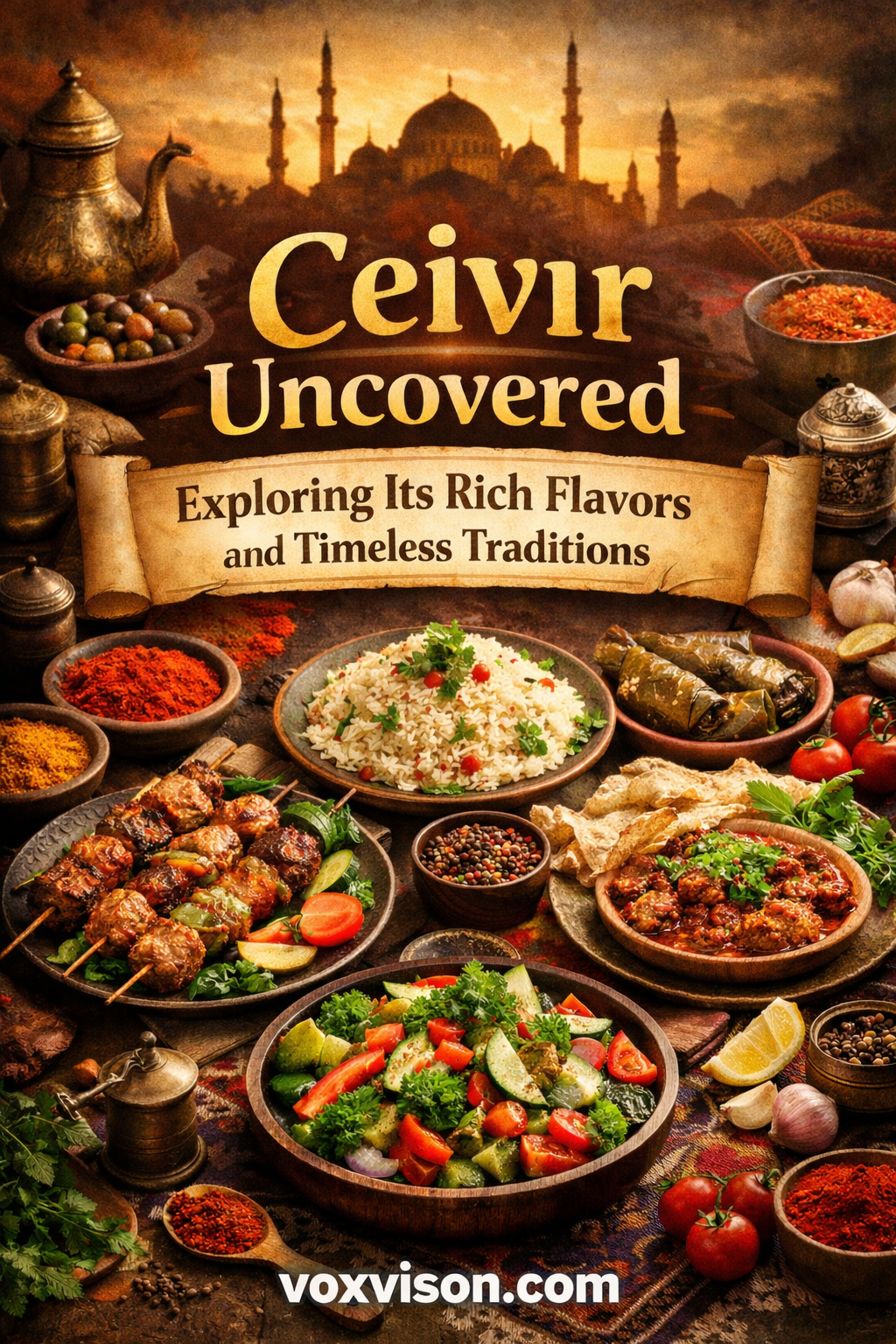
Ceıvır is a traditional culinary experience combining unique regional ingredients, cooking techniques, and flavors. Originating from historical roots, it varies across regions and offers health benefits. Whether enjoyed in restaurants or cooked at home, Ceıvır represents both cultural heritage and nutritious eating.
Ceıvır is more than just a dish—it’s a culinary tradition with deep cultural roots. From its historic origins to regional variations, Ceıvır highlights local ingredients, unique cooking methods, and distinct flavors. Incorporating Ceıvır into your diet not only provides health benefits but also connects you to a rich gastronomic heritage. This guide explores recipes, regional differences, top restaurants, and tips to make Ceıvır at home.
Introduction to Ceıvır
Ceıvır is a celebrated dish known for its rich flavors and cultural significance. It is a blend of traditional ingredients and cooking methods passed down through generations. The dish not only satisfies taste buds but also carries historical and nutritional importance. Today, Ceıvır is gaining global attention for its unique regional variations and health benefits. By understanding Ceıvır, one gains insight into both culinary art and cultural heritage, making it an essential experience for food enthusiasts and curious cooks alike.
Tracing the History of Ceıvır
Ceıvır has roots dating back several centuries. Historical records indicate that the dish originated in [specific region/country], where local communities developed it using readily available ingredients. Over time, Ceıvır spread across neighboring areas, each adapting the recipe according to local tastes and resources. It served not only as sustenance but also as a centerpiece for festivals and family gatherings. This long-standing tradition highlights the role of food in cultural preservation and storytelling. Today, Ceıvır continues to symbolize heritage, reflecting centuries of culinary evolution and creativity.
Origins Across Cultures
Different regions have contributed to Ceıvır’s rich tapestry. While the base ingredients remain similar, spices, cooking techniques, and presentation vary. In [Region A], Ceıvır emphasizes aromatic herbs, whereas in [Region B], it is prepared with fermented or pickled components. These variations demonstrate how culture, geography, and climate influence cuisine. Understanding the origins of Ceıvır enhances appreciation for the dish and allows cooks to experiment with authentic regional flavors while honoring its history.
Traditional Ingredients Used in Ceıvır
At the heart of Ceıvır are fresh, high-quality ingredients. Common staples include [ingredient examples], each contributing distinct flavors and textures. Many recipes incorporate herbs and spices known for their aromatic and medicinal properties. The balance of proteins, vegetables, and seasonings creates a dish that is both flavorful and nutritionally beneficial. Using authentic ingredients ensures the dish retains its traditional taste while allowing cooks to explore variations. Modern adaptations often maintain the original ingredients while introducing new components for health or taste enhancements.
Authentic Cooking Techniques
The preparation of Ceıvır requires specific techniques that enhance its flavor. Traditional methods may involve slow-cooking, marination, or layering ingredients for depth. Precision in timing, heat, and seasoning is crucial to achieving the desired taste. Many chefs and home cooks follow ancestral practices, ensuring authenticity. Mastering these techniques not only results in superior flavor but also preserves the cultural integrity of the dish. Experimenting with methods while respecting tradition is a key aspect of modern Ceıvır preparation.
Regional Flavors and Variations
Ceıvır exhibits diverse flavors depending on the region. Coastal areas may feature seafood-based Ceıvır, while inland regions highlight meats or legumes. Spices, sauces, and cooking styles vary, giving each version a unique identity. Understanding these regional differences allows culinary enthusiasts to appreciate the full spectrum of Ceıvır’s taste. Sampling these variations in restaurants or home kitchens provides an immersive cultural experience. This diversity also inspires innovative fusion dishes while keeping traditional techniques intact.
Most Popular Ceıvır Dishes
Some Ceıvır dishes have gained prominence due to their distinct flavors or cultural significance. Examples include [dish name], known for its aromatic spices, and [dish name], prized for its rich texture. These dishes are often staples at family gatherings, festivals, and restaurant menus. Learning about popular dishes offers insight into how Ceıvır adapts to modern palates while maintaining traditional roots. Including these in your culinary repertoire ensures a full appreciation of the dish’s heritage.
Health Benefits of Ceıvır
Ceıvır is not only flavorful but also nutritious. Ingredients such as fresh vegetables, lean proteins, and herbs contribute to cardiovascular health, digestion, and immunity. Many traditional spices have antioxidant properties and aid metabolism. Including Ceıvır in a balanced diet can support wellness while satisfying taste preferences. Studies have shown that dishes similar to Ceıvır promote healthy eating habits by combining protein, fiber, and micronutrients in a single meal.
Also read this: WhatsOnTech: Ultimate Smart Tech News, Reviews, and Digital Insights Guide
Incorporating Ceıvır into Everyday Meals
Ceıvır can be easily adapted for daily cooking. Quick recipes, meal prepping, and using leftover ingredients allow busy individuals to enjoy its flavors without compromising health or time. Simple adjustments like substituting proteins or using locally available vegetables can retain authenticity. By experimenting with traditional and modern methods, home cooks can introduce Ceıvır into family meals, school lunches, or casual gatherings, making it a versatile addition to any kitchen.
Best Restaurants for Ceıvır
Restaurants specializing in Ceıvır often emphasize authenticity, sourcing fresh ingredients, and maintaining traditional techniques. Cities such as [City A] and [City B] are known for iconic Ceıvır eateries. Visiting these locations provides an opportunity to experience the dish prepared by expert chefs. Reviews, awards, and local recommendations help identify top spots. Experiencing Ceıvır in restaurants also offers inspiration for recreating dishes at home with professional flair.
Buying Fresh Ingredients for Ceıvır
Fresh ingredients are key to authentic Ceıvır. Local markets often provide seasonal produce, fresh herbs, and proteins. Tips for selecting quality items include checking texture, color, and aroma. Farmers’ markets or specialty stores may also offer rare spices or regional components. Using fresh ingredients enhances flavor, ensures better nutrition, and supports local producers. Careful selection can transform a simple recipe into a restaurant-quality experience.
Modern Twists on Ceıvır Recipes
Modern chefs experiment with Ceıvır by adding innovative ingredients or fusion techniques. Examples include vegan adaptations, low-carb versions, or international flavor pairings. These twists make Ceıvır accessible to diverse diets while maintaining core traditions. Social media and cooking blogs have popularized these experiments, inspiring home cooks to try creative variations. Experimenting responsibly ensures that modern versions honor the original dish’s essence.
Pairing Ceıvır with Drinks and Sides
Ceıvır pairs well with specific beverages and side dishes to enhance the dining experience. Herbal teas, light wines, or traditional drinks complement flavors without overpowering them. Sides like fresh salads, grains, or fermented vegetables balance richness and texture. Understanding pairings helps recreate professional dining experiences at home, elevating meals and making Ceıvır a complete culinary adventure.
Common Cooking Mistakes to Avoid
Mistakes such as overcooking, under-seasoning, or using low-quality ingredients can affect Ceıvır’s flavor. Following precise steps, respecting traditional timing, and sourcing authentic ingredients prevent errors. Understanding pitfalls allows cooks to confidently reproduce authentic dishes and encourages experimentation without compromising taste. Tips from experienced chefs provide practical guidance for beginners and seasoned cooks alike.
Conclusion & Call-to-Action
Ceıvır is a culinary treasure that combines history, culture, and flavor. From traditional recipes to modern adaptations, it offers nutrition, taste, and heritage in every bite. Explore Ceıvır at home or in top restaurants to fully appreciate its uniqueness. Start cooking today, experiment with flavors, and share the experience with family and friends—keep this timeless tradition alive.
FAQs
Q1: What is Ceıvır and where does it originate?
Ceıvır is a traditional dish with roots in [specific region]. Its recipes have evolved over centuries, reflecting cultural and regional influences.
Q2: What are the main ingredients of Ceıvır?
Typical ingredients include fresh vegetables, proteins, herbs, and spices. Each region may vary components to create distinct flavors.
Q3: How can I cook authentic Ceıvır at home?
Use fresh ingredients, follow traditional techniques like slow cooking or marination, and respect seasoning balances for authenticity.
Q4: Are there health benefits to eating Ceıvır?
Yes, Ceıvır contains proteins, fiber, and antioxidants from herbs and vegetables, supporting digestion, immunity, and heart health.
Q5: Which regions have unique variations of Ceıvır?
Coastal areas emphasize seafood, inland regions focus on meats or legumes, and spices vary by local culture.
Q6: Can Ceıvır be adapted for modern diets?
Absolutely. Vegan, low-carb, or fusion versions maintain the dish’s essence while fitting modern dietary needs.
Q7: Where can I find the best Ceıvır restaurants?
Top Ceıvır restaurants are found in cities like [City A] and [City B], specializing in authentic ingredients and traditional preparation methods.
For more info: voxvison.com
