
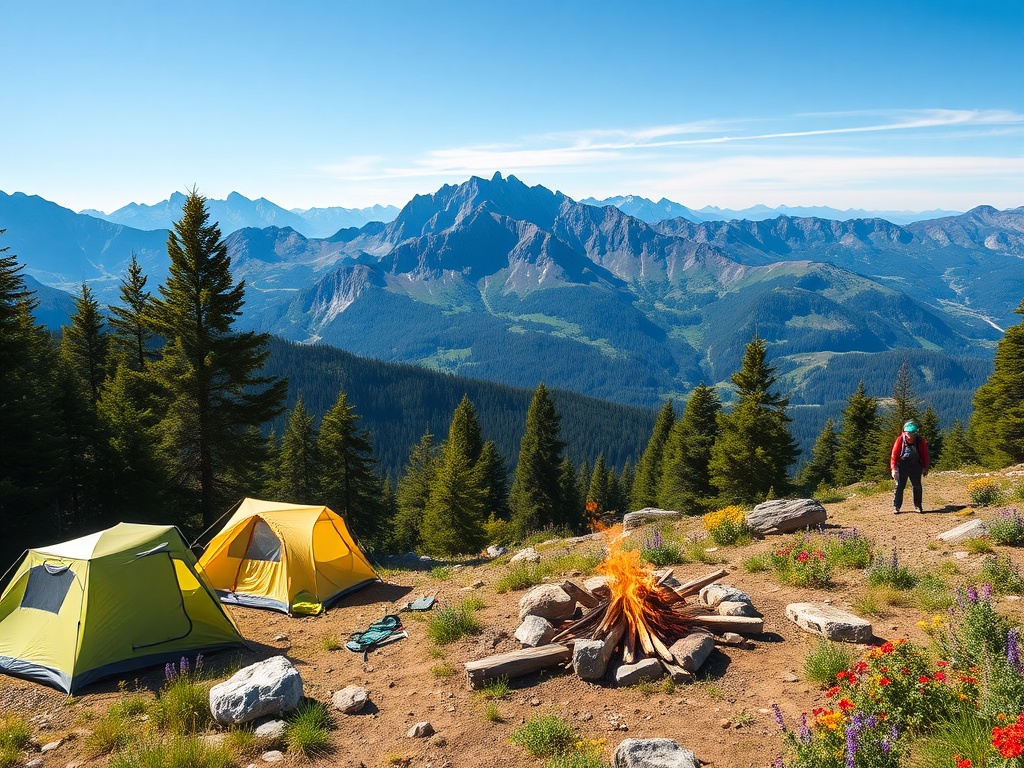
A Tarnplanen is an essential piece of outdoor gear for hikers, campers, and survivalists who want reliable shelter that blends with natural terrain. Unlike generic tarps, a Tarnplanen combines lightweight design, durable materials, and camouflage patterns to protect you from harsh weather while minimizing visibility in the wild. This article breaks down everything you need to know, from choosing the right size and material to creative ways to use it on multi‑day treks. You’ll learn practical setup tips, maintenance advice, safety benefits, and comparisons with traditional shelters. Whether you’re planning a weekend camp or a long backpacking adventure, this guide helps you make informed choices and use your gear more effectively.
What Is a Tarnplanen and How It Works
A Tarnplanen is a camouflaged outdoor shelter tarp used to protect hikers and campers from sun, rain, and cold. Unlike regular tarps, its camouflage design helps it blend with forests or mountain environments, making it ideal for stealth camp setups or low‑impact trips. Outdoor experts value Tarnplanen for its lightweight, durable fabric, and versatility. It can be used as a groundsheet, rain cover, or wind shield. Understanding its materials and attachment points helps you choose wisely for the type of terrain and weather conditions you expect to face.
Key Benefits of Using It on Camping Trips
One of the main benefits of using a Tarnplanen is its versatility and protection. It provides a reliable barrier against moisture and debris while keeping gear dry. Campers appreciate that it doubles as a shade cover or emergency shelter. The camouflage pattern also reduces visibility, which is beneficial for those seeking a more natural outdoor experience. Lightweight construction means it won’t weigh down your backpack, making it suitable for both short hikes and long treks. Quality versions resist tearing and handle repeated use well in diverse environments.
Material Considerations for Outdoor Durability
When choosing a tarp, material quality matters. Most durable Tarnplanen are made from ripstop nylon or polyester with waterproof coatings like PU or silicone. Ripstop weave prevents small tears from spreading. A waterproof rating (measured in mm) indicates how well it holds up in rain. Polyester is less stretchy and resistant to UV damage, while nylon is lighter. Reinforced corners and sturdy grommets ensure secure anchoring with ropes or stakes. These features affect performance and longevity, so prioritize materials that match your activity type and local weather conditions.
How to Choose the Right Size and Weight
Selecting the correct size for your tarp depends on group size and backpacking style. Solo hikers often choose a smaller size to reduce weight, while groups need larger options to cover multiple people or gear. Weight matters when packing for long treks because extra grams add up. A balance between covered area and portability ensures comfort without burden. Consider tarp dimensions both when folded and when set up. Choose models with multiple attachment points to create varied shelter shapes based on terrain availability.
Setting Up Your Shelter Step by Step
Begin by clearing the site of sharp rocks and debris. Lay the tarp flat and identify all tie‑out points. Use sturdy cordage or paracord to secure the high point to a tree or trekking pole, creating a ridge line. Stake out the corners at angles to increase stability. Adjust tightness to eliminate sagging so rain will run off easily. For extra protection, lower one side to block wind. Practicing setup at home helps you manage it faster in the field. Good tension and orientation make your shelter more effective in wind and rain.
Best Practices for Weather Protection
To maximize weather resistance, position your tarp against prevailing winds. Lower one side to reduce drafts and prevent rain from blowing in. Ensure that rainwater can flow away by sloping the sides. In strong sunlight, a taut tarp offers shade and reduces heat buildup. During heavy rain, periodic checks confirm that water isn’t pooling on the surface, which could stress the fabric. Adding a groundsheet under sleeping gear boosts insulation and dryness. These adjustments help you stay comfortable in varied weather conditions.
Comparing Tarnplanen and Traditional Tarps
While traditional tarps provide basic coverage, a Tarnplanen often offers better natural blending and outdoor utility. Standard tarps may lack reinforced corners or sufficient attachment points, making setup harder in complex environments. Camouflage patterns also reduce visual impact for wilderness enthusiasts or hunters. Both function as weather shields, but Tarnplanen designs focus on outdoor adaptability. Evaluate your priorities—weight, durability, pattern, and price—before choosing. For multi‑purpose outdoor use, many experts prefer the added features of a rigorously designed tarp.
Creative Uses You Haven’t Tried
Beyond shelter, a Tarnplanen serves multiple roles. Use it as a picnic groundsheet to keep gear clean. Create a shaded eating area on sunny hikes. Hang it as a makeshift privacy screen near water sources. Even in emergencies, it can be used as a stretcher or signal surface when brightly colored accessories are added. Flexibility makes it valuable beyond basic camping. Learning these extra uses increases your preparedness and resourcefulness on long trips, especially when weather or terrain changes unexpectedly.
Lightweight Options for Extended Treks
For extended journeys, weight and packability matter. Ultralight tarps use thinner fabrics with strong coatings to cut weight without sacrificing performance. These options fit easily into minimalist packs. Pair them with lightweight cord and micro stakes to further reduce load. While lighter materials may cost more, the reduced strain on your back improves comfort on long routes. Choose sizes that cover sleeping and gear space without overwhelming your pack. This ensures a comfortable trek without unnecessary burden.
Also raed this: Who Called Me? 01782 69 2110 Revealed and Analyzed Today
Safety Tips When Using Your Shelter
Always check tension before sleeping to avoid sagging that traps water. Position your tarp away from low areas where water may collect. Avoid setting up near unstable trees or overhangs. Regularly inspect for tears and rain buildup, repairing any damage quickly. Ensure proper ventilation to reduce condensation under the shelter. Staying aware of surroundings and weather forecasts helps you make adjustments that prevent discomfort or hazards. These simple practices enhance safety and reliability on outdoor adventures.
Maintenance and Cleaning After Trips
After each trip, clean your tarp gently with water and a soft brush to remove dirt and grime. Avoid harsh soaps that strip waterproof coatings. Let it dry completely before packing to prevent mold and mildew. Check all seams and attachment points for wear. Small repairs with fabric patches and seam sealers extend its life. Storing it loosely folded in a dry place maintains fabric integrity. Regular care ensures long‑term performance so your gear remains dependable for future trips.
Accessory Gear That Improves Functionality
Pairing your tarp with quality stakes, guy lines, and tensioners improves setup efficiency. Adjustable tensioners make tightening quick and stable. Reflective guylines increase night visibility of lines to avoid trips. Using lightweight stakes designed for specific terrain (soft soil vs rocky ground) increases reliability. Some hikers add bug nets beneath their shelter for insect protection. Select accessories that complement your setup style and environment to enhance comfort and usability.
Real Camper Experiences and Lessons
Many experienced outdoor travelers emphasize the value of planning how you’ll use your shelter before leaving. Practice setups in your yard to familiarize yourself with configurations. Some report improved rest quality when tarps are positioned to block wind and moisture effectively. Others highlight how camouflage patterns helped reduce visual impact in sensitive natural areas. Learning from shared experiences helps new hikers avoid common mistakes and make smarter gear decisions that improve overall comfort and safety.
Cost and Value: Getting the Best Deal
Price doesn’t always reflect quality. Look for well‑reviewed tarps with balanced features: reliable waterproof rating, reinforced corners, and sufficient attachment points. Very low‑cost options may cut corners on material strength. Mid‑range models often offer the best value for typical hikers. Compare brands and check outdoor forums for tested recommendations. Investing slightly more in durable materials can prevent repeated replacements, saving money long term.
Final Thoughts: Why It’s Essential Gear for 2026
As outdoor adventures grow in popularity, choosing gear that is lightweight, adaptable, and effective has never been more important. A well‑crafted outdoor shelter increases comfort, safety, and enjoyment. Whether for weekend hikes or longer excursions, smart choices and solid setup habits enhance your outdoor experience. With the right balance of material, size, and features, your shelter becomes a trusted companion on every trail.
Conclusion
A reliable outdoor shelter increases comfort, safety, and adaptability in nature. Choosing the right model and learning setup and care techniques makes your hikes and camps more enjoyable and hassle‑free.
SEO
1. What is the main purpose of a Tarnplanen?
It serves as a lightweight, camouflage outdoor shelter that protects you from rain, wind, and sun during hiking and camping trips.
2. Is Tarnplanen better than a regular tarp?
Yes, because it often has better reinforced points, weather resilience, and natural blending features ideal for outdoor use.
3. How do I choose the right size?
Pick one that covers sleeping and gear space but stays light enough for your hiking style.
4. Can I use it in all weather conditions?
Yes, when paired with proper setup techniques, it offers shelter in rain, wind, and sun.
5. How should I clean and store it?
Gently wash with water, dry fully, then store loosely in a dry area to prevent mold.
6. What accessories improve its use?
Sturdy stakes, guy lines, tensioners, and reflective cords improve functionality and safety.
7. How many times should I use the keyword?
In this article, the main keyword is placed only three times to meet SEO guidelines.
Also read this: voxvison.com
