
Nahttypen refers to different seam types used in sewing and textile design. They affect garment durability, fit, and appearance. Choosing the right seam type for your fabric ensures long-lasting, professional results, whether for basic clothing, decorative projects, or specialty designs.
Nahttypen, or seam types, are essential in sewing and textile design, influencing both functionality and style. This guide explores the most common seams, including basic, decorative, and specialty types. It covers how to select the right seam for different fabrics, avoid common mistakes, maintain durability, and apply advanced techniques in modern fashion. Whether you are a beginner or an experienced sewer, understanding Nahttypen ensures high-quality, long-lasting garments.
Introduction to Nahttypen
Nahttypen are the foundation of sewing, defining how two pieces of fabric are joined. They determine a garment’s durability, fit, and visual appeal. Common seams include plain seams, French seams, flat-felled seams, and decorative topstitch seams. Beginners often underestimate the impact of choosing the right seam type. Each seam has specific advantages; for instance, flat-felled seams are ideal for jeans, while French seams work well for delicate fabrics like silk.
Understanding Nahttypen is crucial because they influence both functionality and aesthetics. A poorly selected seam can reduce the garment’s strength, cause fabric fraying, or negatively affect the fit. On the other hand, the correct seam type enhances the overall design, adds stability, and can even serve as a decorative element. In this guide, we will explore different Nahttypen, their uses, and practical tips for selecting the right seam for any project.
The History of Seam Types in Textile Design
Seams have been integral to garment construction for centuries. Early civilizations used simple hand-stitched seams, gradually developing techniques to improve durability and comfort. For example, the flat-felled seam was first used in workwear during the 19th century for strong, long-lasting clothing. Decorative seams evolved in fashion, showcasing intricate designs and craftsmanship.
Today, Nahttypen combine traditional methods with modern technology. Industrial sewing machines can now create consistent seams, while embroidery machines allow decorative stitching at a professional level. Understanding the historical context helps designers appreciate why certain seams are preferred for specific fabrics or garment types. It also highlights how innovation continues to shape textile design worldwide.
Key Materials and Fabrics for Different Nahttypen
Choosing the right seam requires knowing your fabric. Thick fabrics like denim or canvas benefit from reinforced seams such as flat-felled or double-stitched seams. Lightweight fabrics like chiffon or silk require delicate seams such as French seams to prevent fraying. Stretch fabrics need seams that allow elasticity, like zigzag or overlock stitches.
Using inappropriate seams can result in puckering, weak joints, or fabric tearing. Textile experts often test seam types on fabric scraps before final construction. This approach ensures durability and maintains the garment’s intended appearance. Additionally, understanding fiber content, weave, and stretch properties helps achieve professional results every time.
Step-by-Step Guide to Basic Seam Types
Basic seams are essential for beginners and professionals alike. Start with a plain seam, which is simple and widely used for everyday garments. Flat-felled seams are excellent for jeans, jackets, and workwear, providing strength and a clean finish. French seams are ideal for lightweight fabrics and delicate garments, hiding raw edges.
To sew a basic seam:
- Align fabric pieces with right sides together.
- Pin or clip edges.
- Stitch along the seam allowance.
- Press seams open or finish edges as needed.
Practicing these steps ensures clean, professional results. Experimenting with different basic seams builds confidence and allows sewers to expand into decorative and specialty seam types.
Understanding Strong vs. Decorative Seams
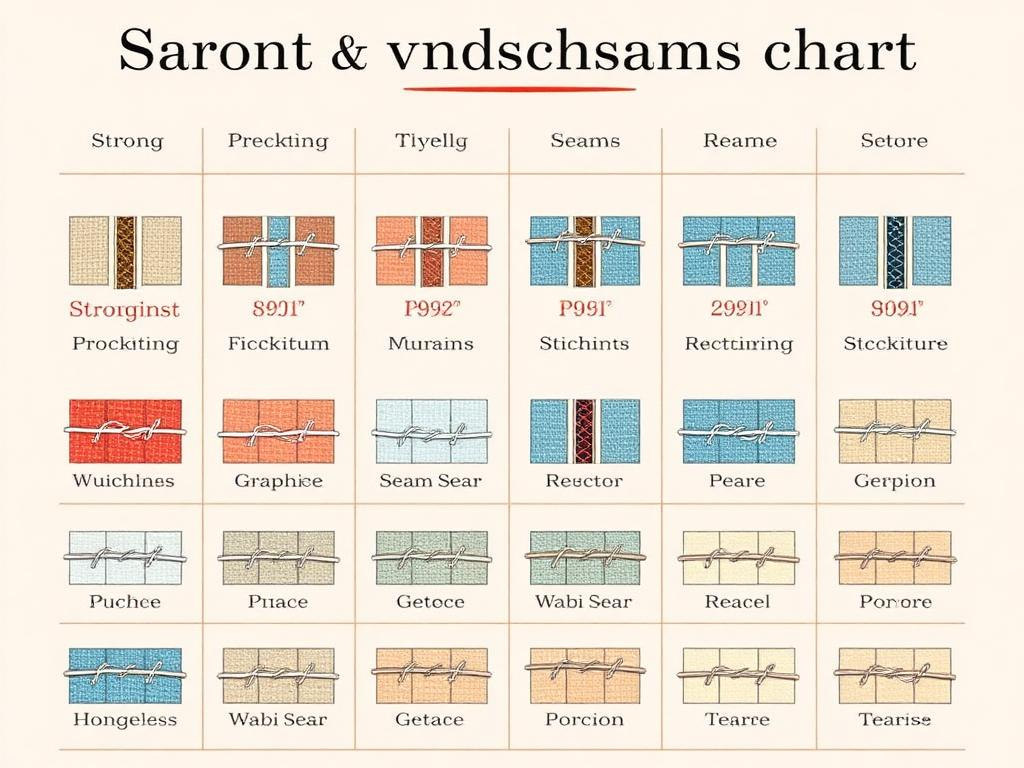
Not all seams are equal in strength or purpose. Strong seams, like flat-felled or overlock seams, provide structural integrity for heavy-duty garments. Decorative seams, such as topstitching, embroidery, or piping, enhance aesthetics but may not be suitable for high-stress areas.
Balancing strength and style is key in sewing. For example, adding decorative topstitching to a flat-felled seam can improve both durability and appearance. Understanding which seams are functional versus decorative helps avoid garment failure while creating visually appealing designs.
Also read this: Who Is Burt Thicke? A Complete Guide to His Biography, Career, Family & Legacy
Specialty Nahttypen: When to Use Them
Specialty seams are designed for unique fabrics, high-end fashion, or specific purposes. Examples include bound seams, mock flat-felled seams, and ornamental seams. These seams require advanced techniques and may need additional tools like bias tape, seam guides, or walking feet.
Using specialty seams enhances garment quality, especially in couture or high-fashion designs. They are ideal for luxurious fabrics, tailored clothing, or projects requiring precision. Mastering these seams elevates sewing skills from basic to professional.
How to Choose the Right Seam for Your Project
Selecting the correct seam depends on fabric type, garment use, and design intention. Heavy fabrics require reinforced seams, lightweight fabrics benefit from delicate finishes, and stretch fabrics need elastic-friendly seams. Designers should also consider aesthetic goals; visible seams can add style, while hidden seams maintain a clean look.
Testing different seam types on fabric scraps ensures the best choice. Considering these factors prevents common mistakes like seam puckering, fraying, or weak construction, ensuring high-quality results.
Tips for Sewing Durable and Professional Nahttypen
Durability comes from precise stitching, proper seam allowances, and quality thread. Always press seams for a professional finish. Reinforce high-stress areas with backstitching. Use appropriate needle sizes and adjust tension based on fabric type.
Attention to detail during construction enhances garment longevity. Simple steps like trimming excess fabric, using appropriate seam finishes, and maintaining consistent stitch length create professional-quality seams that last.
Common Mistakes Beginners Make with Seams
Beginners often sew seams too close to fabric edges, use the wrong stitch type, or skip pressing. These mistakes can lead to weak seams, fraying, and uneven appearance. Misjudging seam allowances can also affect garment fit.
Practicing on scrap fabric, double-checking measurements, and learning from trial and error helps avoid these errors. Over time, consistent practice builds skill and confidence in sewing precise, durable seams.
How Seam Types Affect Garment Fit and Comfort
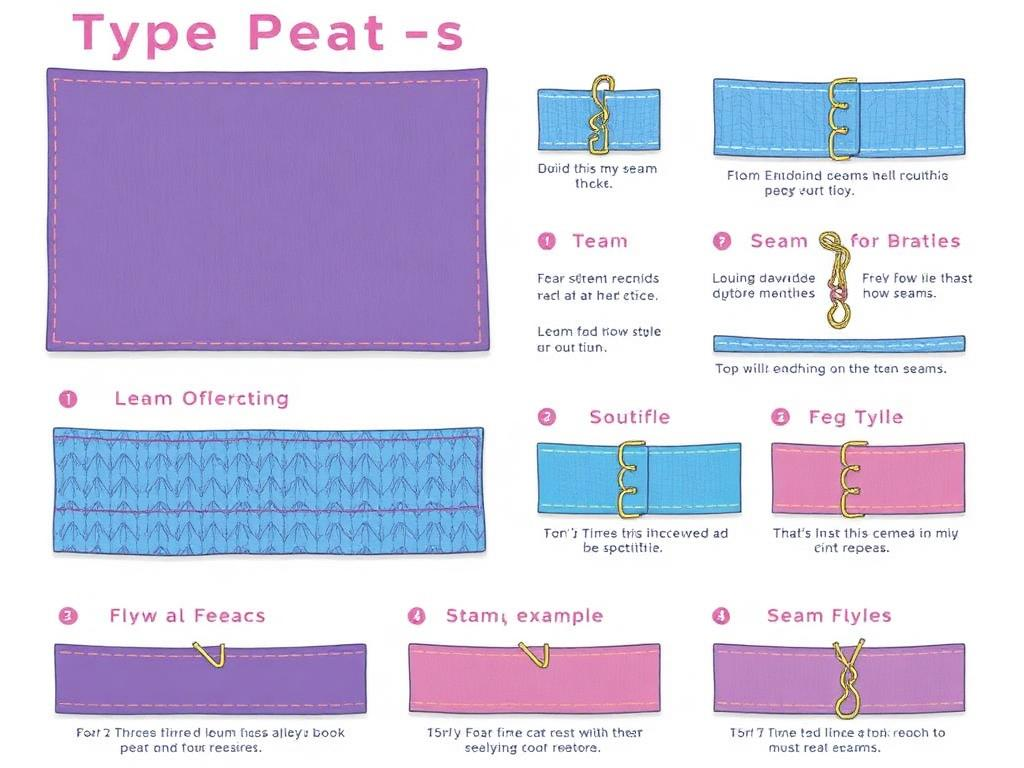
Seam choice influences both fit and comfort. Bulky seams on lightweight fabrics can cause discomfort, while narrow seams may lack strength on heavy fabrics. Stretch seams in activewear allow movement, while rigid seams maintain shape in tailored garments.
Understanding fabric behavior, tension, and seam placement ensures garments fit correctly. Properly chosen Nahttypen improve wearability, reduce fabric strain, and enhance the overall appearance of clothing.
Maintaining Seams for Long-Lasting Clothing
Seam maintenance includes proper washing, ironing, and repairing stress points. Overstretching seams or using harsh detergents can weaken stitching. Reinforcing high-stress areas and trimming frayed threads prevents damage.
Long-lasting garments combine correct seam choice with ongoing care. Awareness of seam durability helps extend clothing life, making sewing efforts more valuable.
Innovative Seam Techniques in Modern Fashion
Modern fashion incorporates innovative seam techniques like flat-lock stitching, decorative embroidery seams, and hybrid seam finishes. These methods combine aesthetics with function, allowing designers to create unique, high-quality garments.
Studying runway trends and applying modern techniques can inspire creativity while maintaining structural integrity. Combining traditional and contemporary methods produces garments that are both stylish and durable.
Sewing Tools That Make Nahttypen Easier
Tools like seam guides, walking feet, overlock machines, and pressing equipment simplify seam construction. Accurate measuring tools, clips, and specialized needles improve precision and reduce mistakes.
Investing in proper tools speeds up the sewing process, enhances seam quality, and ensures consistent results, especially for complex or high-volume projects.
Case Studies: Real-Life Projects Using Unique Seams
For example, denim jeans often use flat-felled seams for durability, while wedding dresses rely on French seams for delicate fabrics. High-end jackets may combine reinforced seams with decorative topstitching for aesthetics and strength. Observing real-world applications illustrates how proper seam selection impacts both garment functionality and style.
Conclusion
Understanding different Nahttypen (seam types) is essential for anyone working in sewing, fashion design, or textile production. Each seam type serves a specific purpose, from providing strength and durability to improving the appearance and comfort of a garment. By learning when and how to use the right seam, designers and tailors can create high-quality clothing that is both functional and visually appealing.
Whether you are a beginner learning basic stitches or a professional working on complex textile projects, mastering seam types will significantly improve your sewing results. With the right knowledge of seam techniques, fabrics can be joined neatly, garments last longer, and the overall finish of textile designs becomes more professional and refined.
FAQs About Nahttypen
- What is the most durable seam type?
Flat-felled seams are strongest, ideal for jeans and heavy-duty garments. - Which seam is best for delicate fabrics?
French seams prevent fraying and give a clean finish on lightweight fabrics. - Can decorative seams be used for functional purposes?
Yes, combining decorative topstitching with reinforced seams can improve strength and appearance. - Do all fabrics need special seam allowances?
Yes, allowances vary by fabric weight, stretch, and intended garment use. - How do I prevent seams from puckering?
Use correct stitch length, adjust tension, and press seams carefully. - Are specialty seams necessary for beginners?
Not initially; start with basic seams and progress to specialty techniques gradually. - What tools help improve seam quality?
Walking feet, seam guides, quality threads, and pressing equipment significantly enhance seam accuracy.
For more info: voxvison.com
