
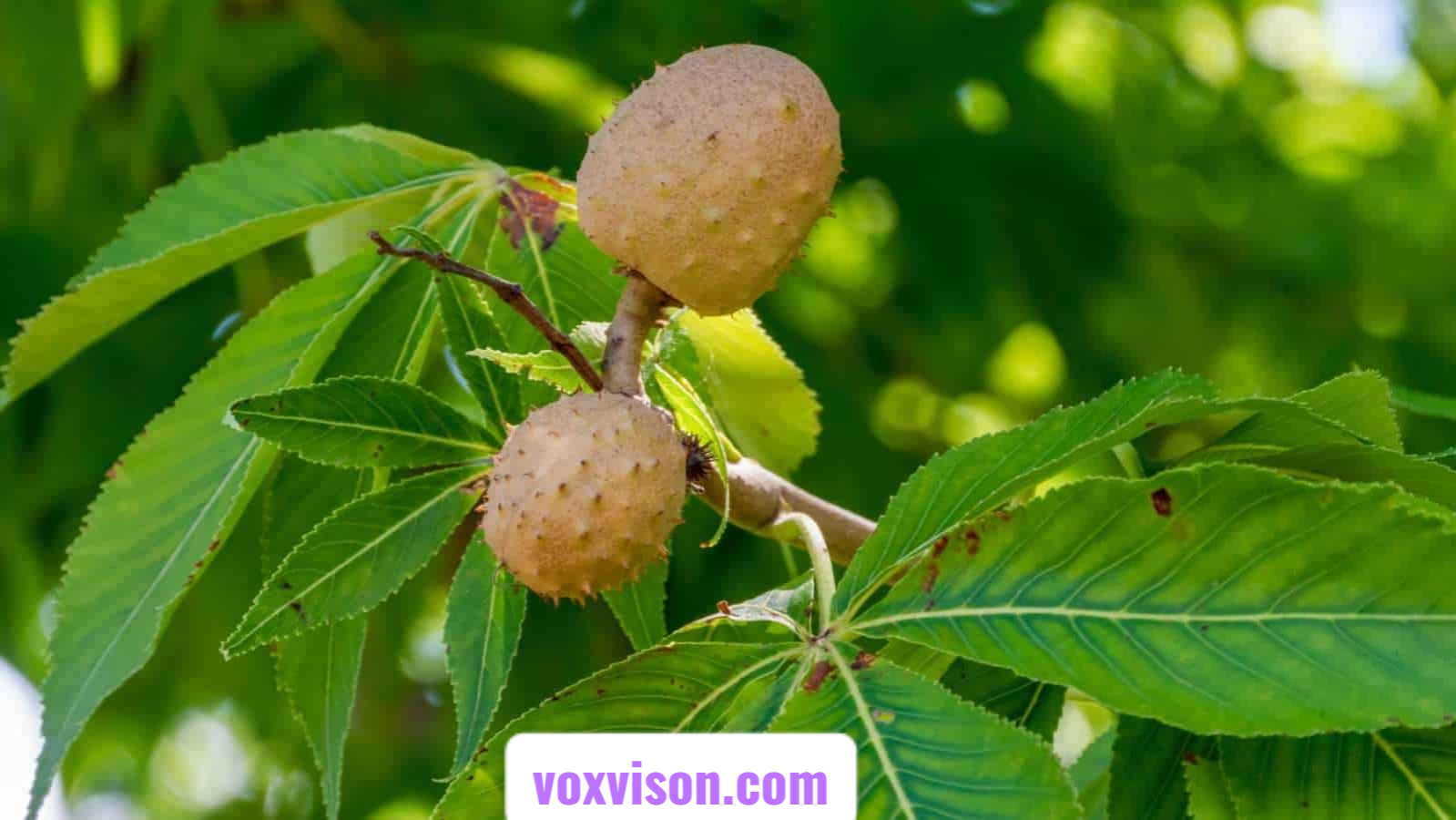
An Ohio tree refers to the diverse range of native and commonly planted trees across Ohio, including oak, maple, and sycamore. These trees provide ecological benefits, improve air quality, enhance landscapes, and support wildlife. Proper care involves understanding species-specific needs, seasonal maintenance, and soil conditions, ensuring healthy growth and longevity. Homeowners and landscapers should select trees suited to Ohio’s climate for best results.
Ohio trees are essential components of the state’s environment, offering aesthetic, ecological, and practical benefits. From hardwoods like oak and hickory to decorative maples and flowering trees, Ohio supports a wide variety of species. This guide covers everything from identification, planting, and care to disease prevention and expert maintenance tips. Readers will also learn about seasonal practices, benefits to wildlife, and common mistakes to avoid. Whether for residential landscaping, urban forestry, or conservation, understanding Ohio trees ensures healthy growth and lasting impact.
Introduction to Ohio Trees
Ohio trees are vital for both urban and rural landscapes, serving ecological, aesthetic, and practical purposes. Native trees such as oaks, maples, and hickories dominate forests, while ornamental species enhance residential areas. Understanding Ohio trees requires knowledge of soil types, climate patterns, and species-specific needs. Planting the right tree in the right location improves survival, reduces maintenance, and maximizes environmental benefits. For homeowners, landscapers, and conservationists, learning about Ohio trees is essential to maintain a healthy, sustainable environment while supporting biodiversity and local wildlife.
Common Ohio Tree Species
Oak Trees
Oak trees are among the most iconic species in Ohio, valued for their strength, longevity, and wildlife support. They thrive in well-drained soils and tolerate a variety of conditions. Oaks provide shade, timber, and food for animals through acorns. Red oak, white oak, and black oak are common, each with distinct bark textures, leaf shapes, and seasonal changes. Maintaining oak trees involves proper pruning, monitoring for pests like oak wilt, and ensuring adequate water during droughts. Their deep roots also help prevent soil erosion, making them ideal for large landscapes.
Maple Trees
Maple trees are widely planted in Ohio for their brilliant fall colors and syrup production. Sugar maples, red maples, and silver maples are prevalent, each suited for different soil types and sunlight levels. Maples improve air quality by absorbing pollutants and producing oxygen. They require consistent watering, especially when young, and periodic pruning to maintain structure. While they are generally hardy, maples are susceptible to pests such as scale insects and diseases like verticillium wilt. Choosing native maples ensures adaptability to Ohio’s climate while enhancing visual appeal.
Sycamore Trees
Sycamore trees are notable for their striking bark patterns and rapid growth. They thrive near water sources and in moist, fertile soils. Sycamores are excellent for shade and erosion control but require regular maintenance to remove dead branches and prevent disease spread. Their broad leaves provide significant canopy coverage, supporting bird habitats and moderating local temperatures. While aesthetically pleasing, sycamores can produce abundant leaf litter, which may require extra cleanup in residential areas.
Hickory Trees
Hickory trees, including shagbark and shellbark varieties, are valued for their dense wood and edible nuts. They grow slowly but provide long-term ecological benefits. Hickories require well-drained soils and full sun to partial shade. Their nuts feed wildlife such as squirrels and birds, while their wood is prized for furniture and tools. Regular inspection for pests like hickory bark beetles and fungal infections is crucial. Planting hickories contributes to biodiversity and supports Ohio’s native ecosystems.
Dogwood Trees
Dogwood trees are smaller ornamental trees often used in gardens and landscapes. Flowering dogwoods bloom in spring, producing colorful bracts and berries for wildlife. They prefer acidic, well-drained soils and partial shade. Dogwoods are sensitive to drought and fungal infections, so careful monitoring and preventive care are necessary. Their visual appeal and ecological contribution make them ideal for residential settings, enhancing both beauty and habitat value.
Benefits of Ohio Trees
Ohio trees provide numerous benefits including environmental, economic, and social advantages. They improve air quality by absorbing carbon dioxide and pollutants while releasing oxygen. Trees moderate temperatures, reduce energy costs, and lower stormwater runoff, preventing erosion. Wildlife depend on trees for food, shelter, and nesting sites. Additionally, well-maintained trees increase property value and provide recreational spaces for communities. Ohio trees also contribute to mental health, offering calming green spaces and visual enjoyment. These benefits highlight the importance of proper care, species selection, and sustainable landscaping practices.
Also read this :Champion Trees Delaware County Ohio List: Complete Champion Trees Ohio Guide
Causes of Tree Health Issues
Tree health issues often arise from environmental stress, improper care, and pests. Poor soil quality, drought, overwatering, and extreme temperatures weaken trees. Urban pollution, construction damage, and compacted soils also contribute. Biological factors like fungi, bacteria, and insects can infect trees, causing decay, defoliation, or death. Ignoring early signs of stress accelerates deterioration. Understanding the specific causes allows timely interventions, ensuring trees remain strong and resilient. Selecting species suited to Ohio’s climate minimizes susceptibility to these challenges, enhancing long-term health.
Symptoms of Tree Stress or Disease
Common symptoms include yellowing or dropping leaves, branch dieback, fungal growth, and unusual bark patterns. Stunted growth, excessive leaf loss, and oozing sap indicate internal problems. Pest infestations may show chewed leaves, boreholes, or visible insects. Recognizing these signs early prevents irreversible damage. Seasonal monitoring, combined with proper pruning and soil care, helps maintain tree health. For Ohio trees, understanding species-specific symptoms is crucial, as different trees respond differently to stress, diseases, or environmental changes.
Solutions and Care Tips
Maintaining Ohio trees involves regular watering, mulching, and pruning. Fertilization based on soil tests ensures adequate nutrients, while pest management prevents infestations. Planting native species reduces vulnerability to diseases. For urban trees, avoiding soil compaction and construction damage is essential. Seasonal inspections identify issues early. Integrating organic practices, like composting and natural pest control, improves resilience. Professional arborist consultations provide expert care for large or valuable trees. Consistent attention and informed interventions help Ohio trees thrive, delivering long-term environmental and aesthetic benefits.
Prevention and Best Practices
Preventive measures include selecting the right species for specific sites, maintaining soil health, and providing adequate spacing. Mulching reduces water evaporation and regulates soil temperature. Proper pruning removes weak branches and encourages strong growth. Monitoring for pests and diseases and acting promptly prevents severe infestations. Educating homeowners about native Ohio tree requirements ensures proper long-term care. Avoiding over-fertilization, excess watering, and mechanical damage preserves tree integrity. Following best practices ensures trees remain healthy, resilient, and valuable to both ecosystems and landscapes.
Pros and Cons of Planting Ohio Trees
Planting Ohio trees offers environmental, aesthetic, and economic benefits, but it also presents challenges. Benefits include improved air quality, habitat creation, erosion control, shade, and increased property value. Trees also enhance landscape beauty and community spaces. Challenges include maintenance costs, susceptibility to pests or diseases, and space requirements. Some species produce excessive leaf litter or invasive roots. Proper species selection and planning mitigate drawbacks. Understanding the pros and cons ensures informed decisions, maximizing advantages while reducing potential issues in both residential and public landscapes.
Real-Life Use Cases
Ohio trees are widely used in urban planning, residential landscaping, and conservation projects. Parks and streets often feature oaks and maples for shade and aesthetics. Residential yards use dogwoods and flowering maples for decorative purposes. Conservation efforts plant native hickories and sycamores to restore ecosystems and prevent soil erosion. Schools and community centers integrate trees for educational and recreational benefits. Landscaping companies frequently consult arborists to select species that thrive locally. Each use case emphasizes strategic planting, ongoing care, and alignment with ecological and community objectives.
Expert Tips for Tree Maintenance
Experts recommend planting during early spring or fall to reduce transplant stress. Regular soil testing guides fertilization, and pruning should remove dead or weak branches without over-cutting. Mulching and deep watering support root development. Monitoring for insect activity and fungal growth ensures early detection of issues. Avoiding mechanical damage from mowers or construction preserves tree integrity. Selecting native species adapted to Ohio’s climate improves survival. Experts also advise keeping records of treatments and observations, allowing informed interventions and maintaining the overall health and value of Ohio trees.
Common Mistakes to Avoid
Many homeowners make mistakes such as planting trees too close to structures, overwatering, under-mulching, or ignoring pest signs. Pruning at the wrong time or improper fertilization can damage trees. Planting non-native species may lead to weak growth or increased disease risk. Neglecting seasonal inspections allows minor issues to escalate. Failing to consult experts for large or historic trees often results in avoidable losses. Avoiding these mistakes ensures Ohio trees remain healthy, resilient, and beneficial for decades.
Conclusion
Ohio trees are vital assets for the state’s environment, communities, and property owners. From ecological benefits to aesthetic enhancements, they play a key role in improving air quality, supporting wildlife, and enhancing landscapes. Proper selection, planting, maintenance, and preventive care ensure trees thrive. By understanding species-specific needs, recognizing stress signs, and applying expert tips, homeowners and landscapers can maximize the advantages of Ohio trees. Healthy, well-maintained trees contribute to sustainable ecosystems, property value, and overall community well-being.
FAQs
1. What is the best Ohio tree for shade?
Oak and maple trees are ideal for shade due to their broad canopies and dense foliage, providing cooling benefits and energy savings.
2. How often should Ohio trees be watered?
Young trees need weekly deep watering, while established trees require water during prolonged dry spells. Soil type and species influence frequency.
3. Are Ohio trees susceptible to pests?
Yes, common pests include scale insects, aphids, and oak wilt. Early detection and treatment prevent severe damage.
4. Can non-native trees thrive in Ohio?
Some non-native trees survive but often require extra care and may be vulnerable to diseases. Native species are generally more resilient.
5. How do I prevent tree diseases in Ohio?
Maintain soil health, provide proper watering and pruning, monitor for pests, and select disease-resistant native species to minimize risks.
For more info :voxvison.com
