
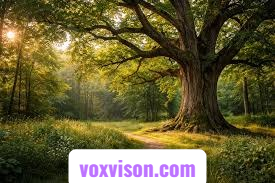
Lewis Center, Ohio, might seem like a quiet town, but it hides some of the state’s most impressive natural wonders—its champion trees. Towering giants of oak, maple, and sycamore dominate the landscape, each telling a story of resilience, endurance, and the passage of centuries. These trees are not only remarkable for their size but also for the life they support, from nesting birds to sprawling root systems that nourish the soil. Walking among them evokes awe and curiosity, offering a rare opportunity to connect with nature in a deeply personal way. For those seeking both adventure and tranquility, these living landmarks provide a unique window into Ohio’s ecological richness.
History of Champion Trees in Lewis Center, Ohio
The legacy of champion trees in Lewis Center dates back generations, with early settlers often recording the largest specimens in journals or sketchbooks. As communities expanded, many of these trees remained silent witnesses to local history, surviving storms, droughts, and urban development. Ohio formalized the recognition of its largest trees through the Champion Tree Program, which documented remarkable specimens and encouraged conservation. Today, many of Lewis Center’s champions were already mature before the 20th century, making them living historical monuments. Their presence reminds us that nature’s timeline often surpasses our own, offering perspective and grounding for anyone who stands beneath their canopies.
What Makes a Tree a Champion in Ohio
In Ohio, a tree becomes a champion when it reaches the highest combined measurements of height, trunk circumference, and crown spread among its species. This formula ensures recognition for overall stature, not just girth or height alone. Champion trees near Lewis Center have thrived despite development, climate shifts, and occasional neglect. These living giants demonstrate endurance and resilience, serving as both natural marvels and ecological keystones. Their designation invites scientific study, community pride, and deeper appreciation for the extraordinary life hidden in plain sight within Ohio’s forests and parks.
Top Champion Tree Species Found Near Lewis Center
The region is home to a diverse array of champion tree species. White oaks dominate many areas, their thick trunks and wide branches forming majestic canopies. Sugar maples captivate in autumn, creating a fiery tapestry of red, gold, and orange. Sycamores impress with distinctive, peeling bark and massive size. Less common species, such as pawpaw and hackberry, quietly hold champion status, adding variety and ecological balance to the landscape. Each species has a story, from sheltering local wildlife to surviving natural disasters, and together they create a living network of history, beauty, and environmental importance.
Ohio’s Largest Oaks and Maples Near Lewis Center
Oaks and maples near Lewis Center often exceed 100 feet in height, with trunks so wide they could embrace several people at once. These trees provide essential habitats for birds, insects, and mammals while stabilizing soil and supporting local ecosystems. Their leaves and branches create seasonal spectacles, and their longevity inspires respect and wonder. Observing these trees closely, one notices intricate bark patterns, signs of age, and evidence of resilience that reflects decades—even centuries—of survival against natural and human-made challenges. Their presence is a vivid reminder of the power and beauty of Ohio’s forests.
The Role of the Ohio Champion Tree Program
The Ohio Champion Tree Program plays a critical role in identifying, measuring, and protecting these extraordinary trees. Volunteers and forestry experts collaborate to maintain the official registry, ensuring that specimens near Lewis Center are recognized and preserved. Beyond data collection, the program fosters community engagement, educational outreach, and conservation awareness. It helps safeguard these living landmarks against urban expansion, invasive pests, and environmental threats. By promoting stewardship, the program ensures that champion trees continue to inspire and educate future generations.
How to Locate Champion Trees Near Lewis Center Ohio
Finding these natural giants requires a mix of research, maps, and local guidance. Many champion trees are located in parks, nature preserves, and public spaces, making them accessible for hikers, photographers, and nature enthusiasts. Online resources, including Ohio’s official champion tree database, provide coordinates and measurements for the largest specimens. Local guides often highlight hidden treasures, encouraging exploration off the beaten path. With careful planning, visitors can experience the full range of Lewis Center’s living landmarks while gaining insight into the ecosystems they inhabit.
Also read this :Ohio Champion Trees Database & Ohio Champion Trees Map – A Complete Guide
Visiting Tips for Lewis Center’s Champion Trees
When exploring champion trees, timing and preparation make all the difference. Spring and fall offer the most striking visuals, with vibrant leaves and clear weather ideal for photographs. Visitors should respect posted signs, avoid disturbing root zones, and maintain a safe distance from fragile branches. Bringing a camera, a notebook, or even binoculars enhances the experience, revealing details that might otherwise go unnoticed. Engaging all senses—sight, touch, and sound—creates a memorable connection with these natural giants, transforming a simple walk into a meaningful encounter with living history.
Ecological Importance of Champion Trees in Ohio
Champion trees are keystones in their ecosystems, supporting countless species and maintaining soil and water health. Their large canopies provide shade that moderates temperatures, while their roots prevent erosion and store carbon, mitigating climate impacts. Birds, insects, and small mammals rely on these giants for food, shelter, and nesting sites. By preserving these trees, Ohio not only protects extraordinary specimens but also maintains the ecological integrity of the region. Their importance extends beyond aesthetics—they are living infrastructure that sustains life in multiple forms.
Seasonal Changes and Best Times to Visit Champion Trees
Ohio’s champion trees transform dramatically throughout the year. Spring brings vibrant growth, with fresh green leaves and blossoming flowers. Summer offers full canopies that provide cool shade and refuge for wildlife. Fall is perhaps the most visually stunning, with fiery colors illuminating the forest floor. Even winter, with bare branches and stark silhouettes, offers a quiet, contemplative beauty. Planning visits around these seasonal shifts allows for diverse experiences, each highlighting different aspects of the trees’ majesty and the ecosystems they support.
Famous National and State Champion Trees in Ohio
Ohio is home to both state and national champion trees, recognized for extraordinary size or unique characteristics. Many are located near Lewis Center, including massive white oaks and towering sycamores. These trees draw attention from researchers, conservationists, and nature enthusiasts alike. Being designated a national champion is more than an honor—it emphasizes ecological significance and highlights the importance of protecting these irreplaceable living landmarks. These celebrated trees serve as ambassadors for Ohio’s natural heritage, reminding everyone of the grandeur and resilience of mature forests.
Conservation Efforts for Lewis Center’s Champion Trees
Protecting these giants requires ongoing effort. Local organizations, volunteers, and state programs work together to monitor tree health, remove invasive species, and educate the public on responsible interaction. Conservation measures include pruning hazardous limbs, soil protection, and ensuring adequate water access during droughts. Communities are increasingly involved in preservation, understanding that each tree is a piece of living history that deserves respect. Through these efforts, Lewis Center’s champion trees remain safe for future generations to admire and learn from.
Educational Programs and Tours Around Champion Trees
Many local schools, nature centers, and community groups offer programs centered on champion trees. Guided tours explain species differences, measurement techniques, and ecological significance. These programs foster curiosity and stewardship, encouraging students and visitors to explore and respect natural landmarks. Hands-on experiences, like measuring tree girth or identifying wildlife species, make learning immersive and memorable. By connecting people directly with these trees, educational programs ensure that knowledge and appreciation pass from generation to generation.
Photographing and Documenting Champion Trees Near Lewis Center
Photography of champion trees is both art and science. Capturing the sheer scale of these giants requires creative perspectives, wide-angle lenses, and careful attention to light. Documenting bark patterns, leaf structures, and surrounding wildlife enhances understanding of each tree’s ecosystem. Many visitors maintain journals or digital records, contributing observations to citizen science programs. Through photography and documentation, the stories of these trees extend beyond the forest, inspiring wider communities to value and protect Ohio’s living landmarks.
Frequently Asked Questions About Champion Trees Near Lewis Center Ohio
Q1: How old are the champion trees near Lewis Center?
Most range from 100 to 300 years, though some may be even older, standing as centuries-old witnesses.
Q2: Can the public visit these trees freely?
Many are in parks and public lands, but some are on private property, requiring permission for access.
Q3: What species are most common among Lewis Center champions?
White oaks, sugar maples, and sycamores dominate, with occasional pawpaw and hackberry trees.
Q4: How are champion trees measured?
Ohio uses a formula combining trunk circumference, height, and crown spread to designate champions.
Q5: Are these trees protected?
Yes, state programs and local conservation efforts safeguard them from logging, urban development, and pests.
Q6: What wildlife relies on these trees?
Birds, squirrels, insects, and small mammals use the trees for food, nesting, and shelter.
Q7: When is the best time to visit?
Spring and fall are ideal for foliage and weather, while summer offers lush canopies and winter offers quiet beauty.
For more infp :voxvison.com
