
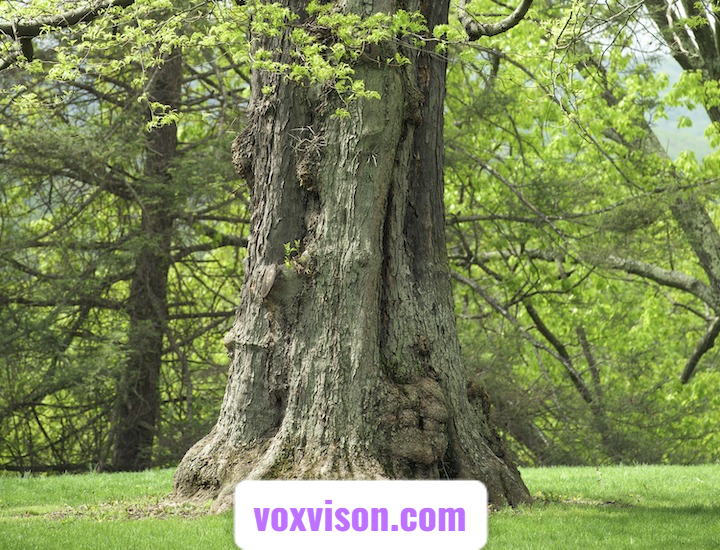
Ohio is home to some of the nation’s largest and oldest trees, and its Champion Trees Database and Champion Trees Map make exploring these natural giants easy and exciting. From towering oaks to sprawling cottonwoods, every tree tells a story of centuries of growth. Whether you’re a casual nature lover or an expert dendrologist, these tools reveal Ohio’s hidden green treasures. Planning visits, tracking records, or contributing observations, this guide gives you all you need to navigate Ohio’s living landmarks.
Introduction to Ohio Champion Trees Database & Map
The Ohio Champion Trees Database is more than a list; it’s a living record of the state’s most remarkable trees. Each entry includes height, trunk circumference, and precise location, giving enthusiasts a way to appreciate trees scientifically and visually. Paired with the Ohio Champion Trees Map, users can explore forests, parks, and urban greenspaces where these giants thrive. The map brings the database to life, showing clusters of champion trees and providing directions, making it perfect for educational trips or leisurely explorations.
Many people are surprised to discover champion trees hidden in plain sight, tucked away in city parks or along quiet trails. The combination of database and interactive map creates a bridge between data and experience, encouraging users to connect with nature in ways that statistics alone cannot.
Why Ohio’s Champion Trees Are Special
Ohio’s forests host a diverse mix of native hardwoods and rare species, some of which have grown uninterrupted for centuries. These champion trees stand out due to their extraordinary size, age, or historical significance. They are living witnesses to Ohio’s changing landscapes, from pioneer settlements to modern cities.
Every champion tree carries ecological importance, providing shelter for wildlife and contributing to soil health. But beyond science, they evoke a sense of wonder—a reminder of nature’s patience and resilience. Visiting these giants is like stepping back in time, where each tree has a story etched in its rings and branches.
How the Ohio Champion Trees Database Works
The database is meticulously maintained by arborists and volunteers, following strict measurement standards. Each tree is evaluated for trunk circumference, height, and crown spread to determine its ranking. Ohio’s entries are then compared nationally to identify potential national champions.
Users can search the database by species, location, or size, making it an invaluable tool for researchers, educators, and curious explorers. Updates happen regularly, reflecting new discoveries, changes in measurements, or the unfortunate loss of trees. This dynamic approach ensures the database remains accurate, engaging, and authoritative.
Navigating the Ohio Champion Trees Map for Beginners
The interactive map transforms data into a visual adventure. Pins mark the exact locations of champion trees across the state, while filters allow sorting by species, height, or age. For beginners, it’s a gentle introduction to dendrology, helping them spot patterns and explore regional forest diversity.
Local guides often integrate map data into hiking routes or city tours, turning casual walks into educational journeys. Each map entry can include photos, historical notes, and GPS coordinates, giving users both a practical tool and a narrative experience.
Also read this :Sruffer DB: Revolutionizing Modern Data Management for Maximum Efficiency
Top National Champion Trees in Ohio
Ohio proudly hosts several national champions, including massive white oaks, towering cottonwoods, and ancient tulip poplars. These trees not only dominate the skyline but also embody centuries of natural history.
Visitors often remark on the awe-inspiring size of these giants, realizing that each trunk circumference could easily embrace several adults. The database documents these trees carefully, noting any environmental challenges they face, from storms to disease. This information helps conservationists focus efforts and educates the public about the significance of protecting these living treasures.
Measuring and Documenting Ohio Champion Trees
Measuring a champion tree is a precise process, requiring both skill and patience. Experts use diameter tapes, clinometers, and laser devices to ensure accuracy. Height, crown spread, and trunk girth are all measured to determine a tree’s eligibility for the champion list.
Documentation is equally rigorous, often including photographs, GPS coordinates, and environmental notes. Volunteers play a vital role, helping arborists collect data while learning techniques that promote sustainable observation. This combination of science and community engagement ensures that each tree’s story is preserved accurately.
Ohio’s Most Famous Champion Tree Species
From mighty oaks to delicate maples, Ohio’s champion trees represent a wide range of species. White oaks dominate the hardwood forests, while tulip poplars often surprise visitors with their rapid growth and height. Some rare species, like the pawpaw tree, make occasional appearances on the champion list, highlighting Ohio’s biodiversity.
Each species contributes uniquely to the ecosystem. Oaks support countless insects and birds, while poplars stabilize soil and improve air quality. Knowing which species dominate the champion list helps visitors appreciate not just the size of trees, but their role in Ohio’s natural web.
Using the Database to Plan Nature Walks and Hikes
The database and map together allow nature enthusiasts to plan targeted trips. By selecting trees in a specific county or park, hikers can design routes that maximize the number of champion trees seen.
Many local communities have developed trails highlighting these giants, turning ordinary walks into educational experiences. Families, schools, and nature clubs benefit from this, using the database to schedule visits, track observations, and even engage in citizen science projects.
Tips for Identifying Champion Trees in Ohio
Not all impressive trees are officially recognized champions, but enthusiasts can learn to identify potential candidates. Look for unusually large trunk girths, expansive canopies, or trees that dominate their surroundings. Documenting these features with photos and measurements helps volunteers submit potential entries to the database.
Exploring with curiosity enhances the experience. Walking trails, comparing species, and noting historical markers often reveal hidden gems that even locals might overlook.
Ohio Champion Trees Conservation Efforts
Ohio’s champion trees are protected through a combination of public awareness, local ordinances, and state programs. Arborists monitor tree health, document environmental threats, and engage in restoration efforts when necessary.
Community involvement is critical. Educational programs, volunteer tree-planting days, and guided tours all help raise awareness. Protecting these giants isn’t just about preserving a tree—it’s about maintaining Ohio’s ecological heritage for future generations.
Historical Significance of Ohio’s Oldest Trees
Some of Ohio’s champion trees have witnessed centuries of history, from Native American settlements to the growth of modern cities. They serve as natural monuments, linking past generations to the present.
Historical markers and plaques often accompany these trees, telling stories of early explorers, settlers, and local legends. Visitors gain not only a sense of awe for the natural world but also a tangible connection to Ohio’s cultural heritage.
How to Contribute to the Ohio Champion Trees Database
Anyone with curiosity and care can contribute. Volunteers measure trees, submit photos, and share location data with state programs. Proper submission follows guidelines for accuracy, ensuring that entries are credible and verifiable.
Community engagement strengthens the program. People develop a sense of ownership and stewardship over local forests, knowing their efforts help preserve champion trees for decades to come.
Mobile and Online Tools for Exploring the Ohio Champion Trees Map
The map is accessible via smartphones, tablets, and desktop computers, making it easy to explore from anywhere. GPS integration allows real-time navigation, while filters highlight species, size, or age.
Online platforms often include social features, encouraging users to share observations, photos, and experiences. This creates a digital community of tree enthusiasts, blending technology with nature exploration in a seamless way.
Seasonal Highlights: When to Visit Ohio’s Champion Trees
Ohio’s landscapes change dramatically with the seasons, offering unique opportunities to visit champion trees. Spring brings fresh leaves and blossoms, while autumn displays fiery foliage that accentuates towering canopies.
Winter reveals the architectural beauty of bare branches, offering unobstructed views of size and structure. Planning visits seasonally enhances both photography and ecological study, helping visitors experience these trees in all their glory.
FAQs About Ohio Champion Trees Database & Map
1. What qualifies a tree to be listed in Ohio’s Champion Trees Database?
A tree must be measured for height, trunk circumference, and crown spread, then compared with other specimens of the same species.
2. Can anyone access the Ohio Champion Trees Map?
Yes, it is freely available online and on mobile devices for public use.
3. Are all champion trees protected by law?
While many are in parks or preserves, legal protection varies; local ordinances may apply.
4. How often is the database updated?
Entries are updated regularly as new measurements and discoveries are made.
5. Can I nominate a tree for the database?
Yes, volunteers can submit observations following measurement guidelines.
6. Are there guided tours available?
Many local parks and nature centers offer tours that highlight champion trees.
7. Which species dominate the Ohio Champion Trees list?
Oaks, tulip poplars, and cottonwoods are among the most frequently listed species.
For more info :voxvison.com
