
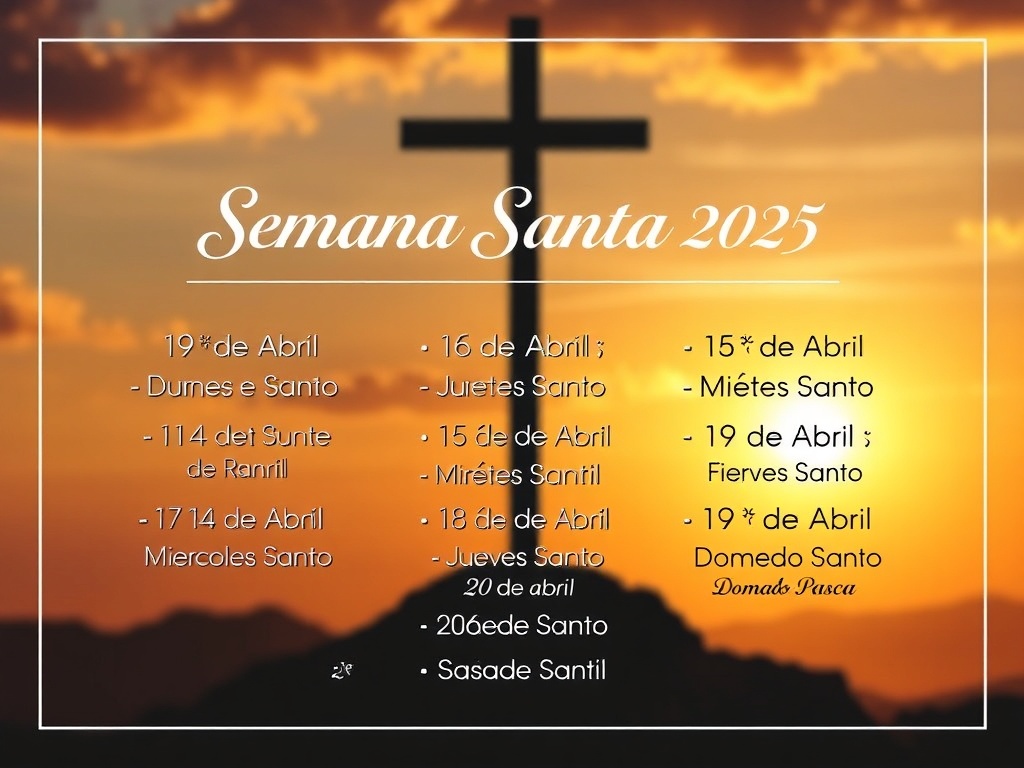
Semana Santa in Spain 2025 runs from April 13 to April 20. This Holy Week is celebrated with elaborate processions, traditional costumes, religious floats, and vibrant local customs across cities like Seville, Málaga, and Granada. Visitors can experience Spain’s rich cultural heritage, taste traditional foods, and witness centuries-old traditions that make Semana Santa one of the country’s most iconic festivals.
Semana Santa in Spain 2025 is a week-long celebration of faith, tradition, and culture, observed from April 13 to April 20. The festival features solemn processions, intricate floats, and penitents in traditional robes across cities like Seville, Málaga, and Granada. Each region adds its unique customs, from music and candles to local delicacies, offering an immersive experience for visitors. Whether exploring historic churches, watching dramatic parades, or enjoying regional cuisine, Semana Santa combines spiritual reflection with cultural spectacle. This guide covers dates, key traditions, the best cities to visit, and practical tips to make the most of Spain’s most famous Holy Week celebration.
What is Semana Santa in Spain?
Semana Santa, or Holy Week, is Spain’s most significant religious festival, celebrated annually in the week leading up to Easter. It commemorates the Passion of Christ through solemn processions, music, and centuries-old traditions. Each city and region has its own unique way of marking the occasion, with Seville, Málaga, and Granada being particularly famous. The festival blends spirituality with cultural spectacle, attracting thousands of locals and tourists eager to experience authentic Spanish heritage and artistry.
Dates for Semana Santa 2025
In 2025, Semana Santa falls from Sunday, April 13, to Sunday, April 20. The week starts with Palm Sunday, commemorating Jesus’ entry into Jerusalem, and culminates with Easter Sunday, celebrating the resurrection. Each day features processions and events in different cities, so planning ahead is crucial. Tourists should check local schedules for exact times and routes to make the most of their visit, as some of the largest processions in Seville and Málaga draw huge crowds.
Key Traditions of Semana Santa
Semana Santa is known for its rich traditions, including processions, religious floats, penitents, and Nazarenos wearing traditional robes. Many cities feature pasos, elaborately decorated floats depicting scenes from the Passion of Christ, carried by costaleros. Accompanying music, incense, and candlelight add to the solemnity of the events. Local communities often prepare for months, ensuring each procession reflects both religious devotion and artistic excellence.
Top Cities to Visit for Semana Santa 2025
Seville, Málaga, Granada, Valladolid, and Zamora are the most famous cities to witness Semana Santa. Seville is renowned for its grand processions and intricate pasos, while Málaga combines solemn parades with lively celebrations. Granada offers stunning views of processions against historic backdrops, and Valladolid is celebrated for its artistic floats. Each city provides a unique perspective on Spanish culture and faith, making it essential for visitors to explore multiple locations if possible.
Seville’s Semana Santa Experience
Seville hosts one of the largest and most spectacular Semana Santa celebrations. Its processions are characterized by ornate floats, traditional music, and the participation of local brotherhoods, or cofradías. The city’s narrow streets and historic architecture amplify the event’s drama, creating unforgettable experiences for visitors. Participating in Seville’s Semana Santa offers a deep insight into Spanish Catholic traditions and centuries-old customs.
Also read this: Who Is Alexander Savin The Flying Elephant Memoirs of an Olympic Champion – Complete Guide
Málaga’s Vibrant Celebrations
Málaga’s Semana Santa is a blend of solemnity and festivity. While traditional processions dominate, the city adds lively elements, including street music and colorful floats. The event showcases local craftsmanship, particularly in the floats and costumes. Tourists visiting Málaga can also enjoy Andalusian cuisine and cultural performances alongside the religious events, making the city a top destination during Holy Week.
Granada’s Historic Processions
Granada offers a unique Semana Santa experience set against the backdrop of the Alhambra and historic neighborhoods. Processions here are smaller but deeply traditional, highlighting the city’s spiritual and artistic heritage. The combination of candlelit parades and Gothic architecture creates a memorable atmosphere, appealing to those seeking both religious significance and cultural beauty.
Traditional Foods During Semana Santa
Spanish cities celebrate Semana Santa with distinctive regional foods. Popular dishes include torrijas (sweet bread soaked in milk and honey), pestiños, and locally prepared seafood. These treats are traditionally consumed during the festival and are an essential part of the cultural experience. Sampling these foods allows visitors to engage with local customs beyond the visual spectacle of processions.
Tips for Visiting Semana Santa in Spain
Planning ahead is key for a smooth experience. Book accommodation early, as hotels in major cities fill quickly. Check procession schedules, wear comfortable shoes for walking, and respect local customs during parades. For photography enthusiasts, arriving early ensures the best views of floats and ceremonies. Understanding the cultural and religious significance enhances the experience, making it more meaningful for tourists.
Best Viewing Spots in Seville and Málaga
In Seville, streets like Calle Sierpes, Avenida de la Constitución, and Plaza de la Campana are prime locations to view processions. In Málaga, the Calle Larios area offers clear views of floats and music bands. Arriving early is recommended to secure spots, especially for major brotherhoods. Watching from historic squares often combines excellent visibility with scenic backdrops.
The Role of Cofradías and Nazarenos
Cofradías, or brotherhoods, organize processions and maintain traditions. Nazarenos, dressed in distinctive robes, walk solemnly, carrying candles or crosses. Their role is deeply spiritual, representing penitence and devotion. Tourists are encouraged to observe respectfully, understanding that Semana Santa is primarily a religious event rather than a public spectacle.
Art and Music in Semana Santa
Music is integral, with traditional bands playing saetas—emotional religious songs—during processions. Artistry extends to the floats, often carved from wood and adorned with gold leaf and flowers. This combination of visual and auditory artistry distinguishes Semana Santa from other festivals, offering visitors a multi-sensory cultural experience.
Family and Community Participation
Semana Santa is not only a religious event but a communal tradition. Families pass down roles in cofradías, and entire neighborhoods prepare for months. Community involvement ensures continuity of customs, preserving Spain’s intangible cultural heritage. Visitors can witness authentic local engagement that enriches their understanding of Spanish society.
Accessibility and Travel Tips
Major cities hosting Semana Santa are well connected by train, bus, and air. Tourists should plan transport in advance, as roads may close during processions. Wearing weather-appropriate clothing is essential, as April can be unpredictable. Guided tours provide insights into the history and symbolism of events, enhancing visitor experiences.
Modern Adaptations and Tourism Impact
While rooted in tradition, Semana Santa has adapted to modern tourism. Many cities provide information in multiple languages, and some processions are broadcast online. Tourism supports local economies, from hotels and restaurants to artisans crafting floats. Balancing authenticity with accessibility ensures the festival remains both spiritual and culturally enriching.
Conclusion
Semana Santa in Spain 2025 is a remarkable blend of faith, art, and culture, taking place from April 13 to April 20. From Seville’s grand processions to Granada’s historic charm, each city offers unique traditions. By planning ahead, respecting customs, and exploring regional specialties, visitors can experience one of Spain’s most iconic festivals. Semana Santa is not just a spectacle—it’s an immersive journey into Spanish heritage.
FAQs
1. When is Semana Santa in Spain 2025?
Semana Santa 2025 runs from April 13 (Palm Sunday) to April 20 (Easter Sunday).
2. Which cities are best for Semana Santa?
Seville, Málaga, Granada, Valladolid, and Zamora offer the most iconic celebrations.
3. What are the main traditions of Semana Santa?
Processions, religious floats, Nazarenos, and local music define the festival.
4. What foods are typical during Semana Santa?
Torrijas, pestiños, and seafood dishes are commonly enjoyed during Holy Week.
5. How can tourists view processions effectively?
Arrive early in key streets, check schedules, and respect local customs.
6. Do all processions have religious significance?
Yes, each procession represents biblical events and community devotion.
7. Is Semana Santa family-friendly?
Yes, many families participate, and tourists of all ages can enjoy the celebrations respectfully.
For more info: voxvison.com
