
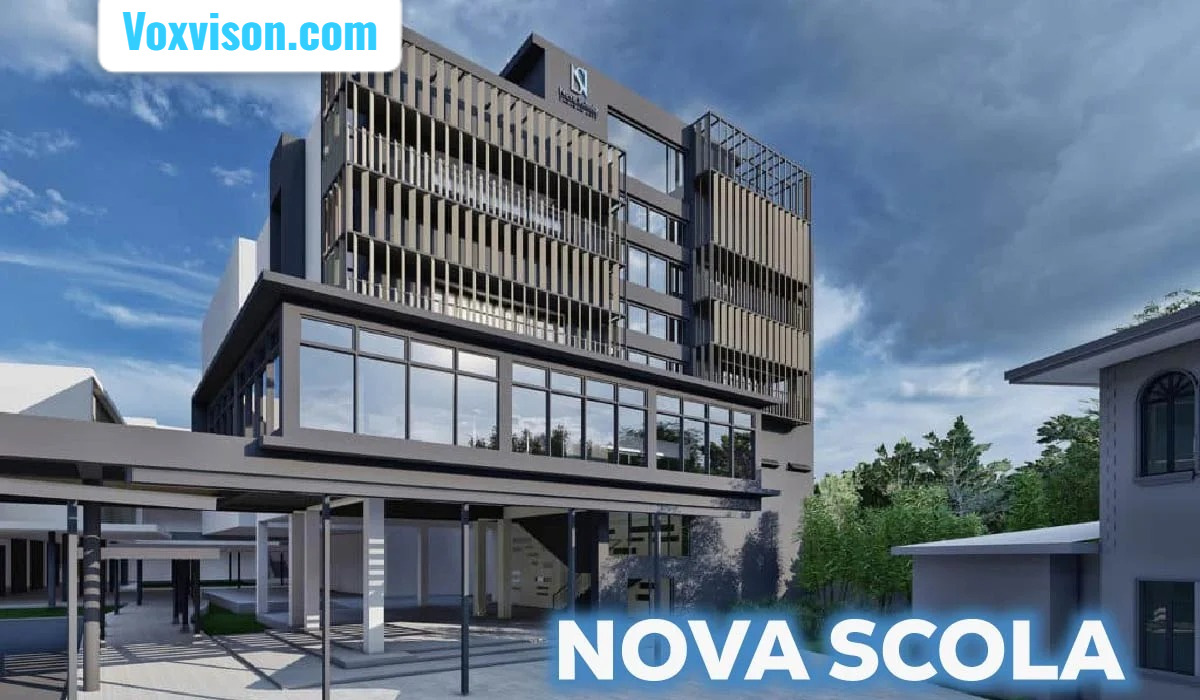
Nova scola refers to a modern concept of learning that blends traditional education with innovation, creativity, and real-world skills. It emphasizes student-centered teaching, digital tools, and practical knowledge to prepare learners for today’s fast-changing world. Rather than focusing only on memorization, nova scola encourages critical thinking, collaboration, and adaptability, making education more relevant, flexible, and future-ready.
Education is evolving, and nova scola represents this shift toward smarter, more adaptive learning. This guide explores its meaning, historical roots, philosophy, and growing influence on modern education systems. You’ll discover how it differs from conventional schooling, why it matters today, and how students, teachers, and institutions benefit from its approach. From digital classrooms to personalized learning paths, this article explains everything in simple terms. If you’re curious about new education models and future-focused learning, keep reading to understand how this concept is reshaping the way knowledge is shared.
Understanding the Core Meaning Behind Nova Scola in Modern Education
At its heart, nova scola represents a fresh approach to learning that moves beyond rigid classroom traditions. The phrase itself suggests “new school,” symbolizing innovation, openness, and progress in education. It focuses on empowering students rather than controlling them, encouraging curiosity instead of rote memorization. This concept supports flexible teaching methods, technology integration, and real-life problem solving. By placing learners at the center, it promotes deeper understanding and personal growth. Many educators see it as a response to outdated systems that no longer meet the needs of today’s rapidly changing society.
Historical Roots and How the Concept Gradually Took Shape
The philosophy behind nova scola did not appear overnight. It evolved from progressive education movements that began challenging strict academic structures decades ago. Thinkers and educators across Europe and later worldwide advocated experiential learning, creative thinking, and emotional development. Over time, these ideas merged with digital innovation and global collaboration. What started as small experimental classrooms eventually influenced universities, online platforms, and alternative schools. Today, the concept reflects years of educational reform aimed at preparing students for practical life rather than simply passing examinations.
Why Traditional Education Models Started Losing Their Effectiveness
Conventional schooling systems were designed for industrial-age needs, prioritizing uniformity and discipline. While effective in the past, they struggle to serve modern learners who require adaptability and creativity. Large classrooms, standardized testing, and fixed curricula often limit individual potential. Students may memorize information without truly understanding it. This gap between education and real-world demands sparked interest in newer learning philosophies. As careers became more dynamic and technology advanced, educators realized that a more flexible, student-focused model was essential for long-term success.
The Shift Toward Student-Centered Learning Experiences
One defining feature of nova scola is its emphasis on student agency. Instead of teachers delivering one-way lectures, learners actively participate in shaping their education. They explore topics, collaborate with peers, and reflect on their progress. This approach builds confidence and independent thinking. Personalized learning paths help students move at their own pace, while project-based activities connect lessons to real situations. By valuing each learner’s interests and strengths, education becomes more meaningful and engaging, leading to stronger motivation and deeper comprehension.
Technology’s Powerful Role in Transforming Classrooms Worldwide
Digital tools play a major role in modern learning environments inspired by nova scola principles. Online platforms, virtual classrooms, and interactive resources expand access to knowledge beyond physical walls. Students can research globally, attend remote lessons, and use multimedia to express ideas. Teachers also benefit from data-driven insights that help track progress and customize instruction. Technology does not replace educators; instead, it enhances their ability to support diverse learners. This blend of human guidance and digital innovation creates more inclusive and flexible educational experiences.
How Practical Skills Are Integrated Alongside Academic Knowledge
Another important aspect is the balance between theory and practice. Modern learners need communication, problem-solving, and adaptability just as much as academic subjects. Classrooms influenced by nova scola often include real-world projects, teamwork exercises, and creative challenges. Students might design solutions, present ideas, or analyze everyday problems. These experiences prepare them for careers and personal growth alike. By linking learning to practical outcomes, education becomes relevant, helping students see clear value in what they study.
Also read this: List of champion trees ohio state ohio champion tree program
The Growing Importance of Emotional and Social Development
Education is not only about intellect; emotional intelligence matters too. Progressive learning environments focus on empathy, self-awareness, and collaboration. Students are encouraged to express feelings, resolve conflicts, and support one another. This holistic approach builds resilience and healthy relationships. Teachers act as mentors, guiding personal development alongside academics. Such environments create safer, more supportive spaces where learners feel valued. Over time, these social skills become essential assets, helping students navigate both professional and personal challenges with confidence.
Global Adoption and Cultural Adaptation of New Learning Models
Around the world, schools and institutions are adapting these modern principles to fit local cultures. Some countries integrate flexible curricula, while others focus on creativity or entrepreneurship. Although implementation varies, the shared goal remains the same: preparing students for a complex future. Communities customize teaching methods based on traditions, resources, and needs. This adaptability proves that innovative education is not one-size-fits-all. Instead, it evolves through collaboration between educators, families, and policymakers across diverse societies.
How Teachers Redefine Their Roles in Progressive Classrooms
In modern learning environments, teachers become facilitators rather than authority figures. They guide discussions, support exploration, and encourage critical thinking. This shift allows educators to focus on mentoring instead of merely delivering content. Professional development also changes, emphasizing creativity and adaptability. Teachers learn new tools, collaborate with colleagues, and experiment with methods. Their evolving role strengthens relationships with students and fosters mutual respect. Ultimately, this transformation leads to richer learning experiences and more engaged classrooms.
The Impact on Career Readiness and Lifelong Learning
Education inspired by nova scola prepares students for continuous growth rather than fixed careers. Learners develop transferable skills that apply across industries. They become comfortable with change, capable of learning new technologies, and open to innovation. This mindset supports lifelong learning, a necessity in today’s fast-paced job market. Graduates often show stronger problem-solving abilities and adaptability. By focusing on learning how to learn, education becomes a foundation for long-term success rather than a one-time achievement.
Challenges Faced When Implementing Modern Education Systems
Despite its benefits, adopting new learning models is not without obstacles. Limited funding, resistance to change, and lack of training can slow progress. Some communities worry about losing academic rigor, while others struggle with technology access. Successful implementation requires thoughtful planning, teacher support, and clear communication with parents. Overcoming these challenges takes time, but many institutions find that gradual change leads to meaningful results. With patience and collaboration, modern education systems continue to evolve.
The Role of Parents and Communities in Supporting Change
Families play a vital role in reinforcing learning beyond school walls. When parents understand progressive education principles, they can better support children’s curiosity and independence. Communities also contribute through mentorship programs, local projects, and cultural activities. This partnership strengthens educational outcomes and creates shared responsibility. By working together, schools and families build environments where students thrive. Education becomes a collective effort, connecting classrooms with real-life experiences and community values.
Measuring Success Beyond Grades and Test Scores
Traditional metrics often fail to capture creativity, collaboration, or emotional growth. Modern approaches evaluate progress through portfolios, presentations, and reflective practices. Students demonstrate understanding in diverse ways, highlighting strengths that exams might overlook. This broader perspective encourages confidence and self-expression. Teachers gain deeper insight into individual development, allowing targeted support. By redefining success, education becomes more inclusive and authentic, celebrating learning as a journey rather than a race.
Future Trends Shaping the Next Generation of Learning
Looking ahead, education will likely become even more personalized and technology-driven. Artificial intelligence, virtual reality, and global classrooms are already emerging. These tools will expand opportunities for immersive learning and cross-cultural collaboration. However, human connection will remain essential. The future blends innovation with empathy, ensuring students grow intellectually and emotionally. As these trends develop, modern learning philosophies continue guiding educators toward more meaningful, accessible education for all.
Conclusion: Why Nova Scola Represents a Powerful Educational Evolution
Nova scola symbolizes a shift toward flexible, human-centered education that prepares learners for real life. By combining academic knowledge with practical skills, emotional growth, and technology, it addresses the limitations of traditional systems. Students become active participants, teachers become mentors, and communities become partners. Although challenges exist, the long-term benefits are clear. This evolving approach offers a hopeful vision for education, one that values curiosity, adaptability, and lifelong learning in an ever-changing world.
FAQs
What does nova scola mean in education?
It refers to a modern learning approach focused on innovation, student engagement, and practical skills.
Is nova scola a school or a philosophy?
It is mainly a philosophy, though some institutions adopt it as part of their educational model.
How is nova scola different from traditional schooling?
It emphasizes student-centered learning, creativity, and real-world applications instead of memorization.
Can nova scola work in online education?
Yes, digital platforms often support its flexible and personalized learning methods.
Do teachers need special training for this approach?
Yes, educators usually receive training in facilitation, technology use, and modern teaching strategies.
Is this model suitable for all age groups?
It can be adapted for children, teens, and adults, depending on curriculum design.
Why is nova scola becoming popular globally?
Because it better prepares learners for changing careers, technology, and lifelong learning.
Fore more info: Voxvison.com
