
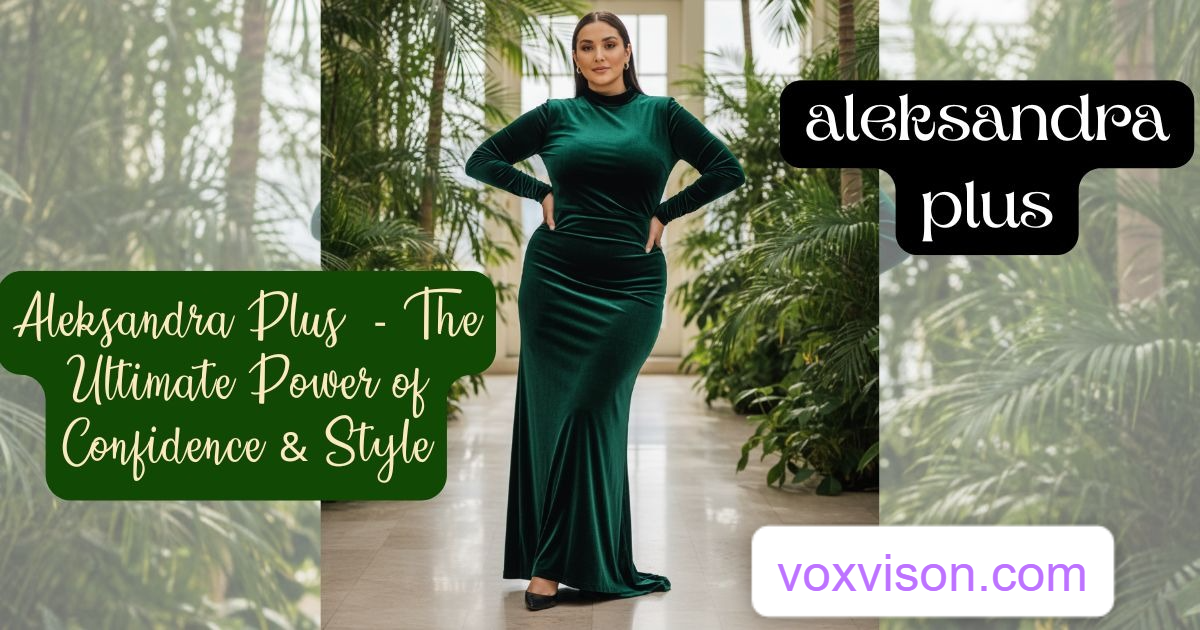
Aleksandra Plus is a term commonly associated with plus-size fashion, modeling databases, and digital branding contexts. It may refer to a fashion identity, a model profile classification, or a brand-related naming style. Its meaning depends on context, but it is most often linked to body-positive fashion representation and inclusive sizing trends online.
Aleksandra Plus is a multi-context term used across fashion platforms, modeling databases, and digital branding spaces. Most commonly, it relates to plus-size fashion and body-positive representation, where “Plus” highlights inclusive sizing rather than a specific brand. In some cases, Aleksandra Plus appears in modeling records, social media identities, or naming strategies used by fashion-forward creators. Understanding Aleksandra Plus requires examining where it appears—whether in fashion listings, branding elements, or online databases. As inclusive fashion continues to grow globally, Aleksandra Plus reflects changing attitudes toward diversity, representation, and identity in the digital world.
What Does Aleksandra Plus Actually Mean?
Aleksandra Plus generally combines a personal or brand name with the term “Plus,” which signals inclusive or extended sizing. In most online contexts, it does not represent a single individual but rather a classification or identity marker. The word “Plus” is widely used in fashion to describe clothing lines designed beyond standard sizes. When paired with Aleksandra, it often indicates a fashion-focused profile, brand label, or modeling category. The meaning is flexible and shaped by usage, making context essential. This adaptability is why Aleksandra Plus appears across multiple platforms without one fixed definition.
Origins and Primary Usage of Aleksandra Plus
The usage of Aleksandra Plus grew alongside the expansion of plus-size fashion markets online. As fashion platforms and databases began organizing profiles by size inclusivity, naming patterns like “Name + Plus” became common. Aleksandra Plus follows this digital convention rather than originating from a single historical brand. According to fashion industry reports, the global plus-size clothing market has grown over 4% annually, increasing the visibility of such terms. This growth explains why Aleksandra Plus now appears in fashion catalogs, influencer handles, and database listings tied to inclusive representation.
Aleksandra Plus in Online Modeling Platforms
Modeling databases often categorize talent using clear size-based identifiers. Aleksandra Plus may appear as a profile label to signal plus-size modeling rather than a specific person. These platforms use structured data points like height, measurements, and category tags. This helps brands find models aligned with inclusive campaigns. The presence of Aleksandra Plus in such systems reflects industry-wide shifts toward diversity. Rather than limiting opportunities, this classification helps ensure visibility for underrepresented body types in fashion media and advertising.
Connection Between Aleksandra Plus and Plus-Size Fashion
Plus-size fashion emphasizes fit, comfort, and representation. Aleksandra Plus is often associated with this movement because the term aligns with inclusive fashion language. Many fashion labels now design collections specifically for plus-size consumers, who make up a significant portion of global buyers. Studies show that over 65% of women worldwide wear sizes considered “plus” by traditional standards. Aleksandra Plus fits into this evolving narrative by symbolizing visibility and identity rather than exclusivity, making it relevant to modern fashion discussions.
Aleksandra Plus as a Digital Fashion Identity
In digital spaces, identity matters. Aleksandra Plus can function as a fashion identity used by creators, models, or brands to communicate inclusivity instantly. On social platforms, naming plays a major role in discoverability. Using “Plus” signals audience relevance and content focus. This helps users find fashion inspiration that reflects real-world body diversity. Aleksandra Plus therefore operates as a branding shorthand, connecting content creators with audiences seeking representation and relatable style guidance.
Differences Between Brand Naming and Descriptive Usage
Not every appearance of Aleksandra Plus refers to a registered brand. Sometimes it is descriptive, other times branded. Descriptive usage categorizes size or fashion focus, while branding usage builds a recognizable identity. The key difference lies in consistency, logos, and commercial intent. Brands maintain uniform visuals and messaging, while descriptive uses vary across platforms. Understanding this distinction helps users interpret search results accurately and avoid confusion when researching Aleksandra Plus online.
Social Media and Digital Media References Explained
Social media plays a major role in spreading terms like Aleksandra Plus. Influencers and fashion pages often use similar naming structures to improve reach. Algorithms favor clarity, and including “Plus” helps platforms categorize content correctly. As a result, Aleksandra Plus may appear in hashtags, usernames, or captions without being a formal entity. This digital behavior reflects broader trends in content optimization and inclusive fashion storytelling across platforms like Instagram and TikTok.
Also raed this :Sodiceram: Revolutionary Ceramic Solutions for Modern Industrial and Home Needs
Branding, Technology, and Database Contexts
In technology-driven systems, Aleksandra Plus may exist as a data label rather than a brand. Databases prioritize clarity and searchable identifiers. This explains why similar naming patterns appear across unrelated platforms. Common characteristics include size indicators, category tags, and searchable metadata. These systems rely on structure, not storytelling. Therefore, Aleksandra Plus in tech contexts should be understood as functional rather than creative, serving organization and accessibility goals.
Why Aleksandra Plus Has Multiple Interpretations
Multiple interpretations exist because the term is context-dependent. Fashion, branding, databases, and social media all use language differently. Overlap occurs when naming conventions travel between industries. Without clear context, users may assume a single meaning. Recognizing the platform and purpose helps clarify intent. This flexibility is common in digital terminology, especially in rapidly evolving industries like fashion and online media.
How to Identify the Correct Meaning Easily
To understand Aleksandra Plus accurately, check the source. Is it a fashion store, modeling site, or social profile? Look for branding elements, product listings, or data fields. These clues reveal whether the term is descriptive or brand-based. This simple approach prevents misinterpretation and improves research accuracy, especially for students and young users exploring digital topics.
SEO Importance of Aleksandra Plus Content
Clear content around Aleksandra Plus benefits both users and search engines. Google prioritizes context-rich explanations that reduce confusion. Publishing structured, informative content improves topical authority and ranking potential. Well-explained terms also earn featured snippets and AI overviews. For publishers, covering Aleksandra Plus clearly can attract fashion, branding, and lifestyle audiences simultaneously.
Future Relevance and Industry Impact
As inclusive fashion continues to grow, terms like Aleksandra Plus will gain more relevance. Industry trends suggest stronger demand for representation and clear identity markers. Brands and platforms will likely refine how such terms are used. Aleksandra Plus reflects a broader shift toward clarity, inclusivity, and digital-first identity building in fashion and media.
Conclusion & Call-to-Action
Aleksandra Plus is more than a single definition—it is a reflection of how fashion, identity, and digital platforms intersect. Whether used descriptively, creatively, or structurally, its meaning depends on context. Understanding this helps users navigate online information accurately and confidently. As inclusive fashion grows, clarity around such terms becomes even more important.
FAQs
1. Is Aleksandra Plus a real brand?
It can be, but often it is a descriptive or identity-based term depending on context.
2. Does Aleksandra Plus refer to one person?
Not always. It is frequently used as a category or identity label.
3. Why is “Plus” used in fashion names?
It signals inclusive sizing and body-positive focus.
4. Is Aleksandra Plus related to modeling platforms?
Yes, it may appear in modeling databases as a size classification.
5. Can Aleksandra Plus be used for branding?
Yes, some creators or labels use it intentionally for branding.
6. Is the term safe and appropriate for teens?
Yes, it relates to fashion, identity, and digital media only.
7. Why does Aleksandra Plus show up in Google searches?
Because it combines naming trends, fashion interest, and SEO visibility.
For more info :voxvison.com
